
Blog by Fariya | Digital Diary
" To Present local Business identity in front of global market"

Scan QR code to visit our website
" To Present local Business identity in front of global market"
Scan QR code to visit our website
 Digital Diary Submit Post
 "ऊर्जा की परिभाषा तथा ऊर्जा के रूप" (Definition of Energy and Forms of Energy) ऊर्जा की परिभाषा- किसी वस्तु की कार्य करने की क्षमता को ऊर्जा कहते है। ऊर्जा का मात्रक वहीं होता है ,जो कार्य का मात्रक है तथा कार्य की भाँति यह भी एक आदीश राशि है। m/ks पद्धति में ऊर्जा का मात्रक जूल है। किसी वास्तु की ऊर्जा का माप उस कार्य से की जाती है, जो वह शून्य ऊर्जा वाली स्तिथि में आने तक केर सकती...
Read More
"ऊर्जा की परिभाषा तथा ऊर्जा के रूप" (Definition of Energy and Forms of Energy) ऊर्जा की परिभाषा- किसी वस्तु की कार्य करने की क्षमता को ऊर्जा कहते है। ऊर्जा का मात्रक वहीं होता है ,जो कार्य का मात्रक है तथा कार्य की भाँति यह भी एक आदीश राशि है। m/ks पद्धति में ऊर्जा का मात्रक जूल है। किसी वास्तु की ऊर्जा का माप उस कार्य से की जाती है, जो वह शून्य ऊर्जा वाली स्तिथि में आने तक केर सकती...
Read More
ऊर्जा की परिभाषा- किसी वस्तु की कार्य करने की क्षमता को ऊर्जा कहते है। ऊर्जा का मात्रक वहीं होता है ,जो कार्य का मात्रक है तथा कार्य की भाँति यह भी एक आदीश राशि है। m/ks पद्धति में ऊर्जा का मात्रक जूल है। किसी वास्तु की ऊर्जा का माप उस कार्य से की जाती है, जो वह शून्य ऊर्जा वाली स्तिथि में आने तक केर सकती है।
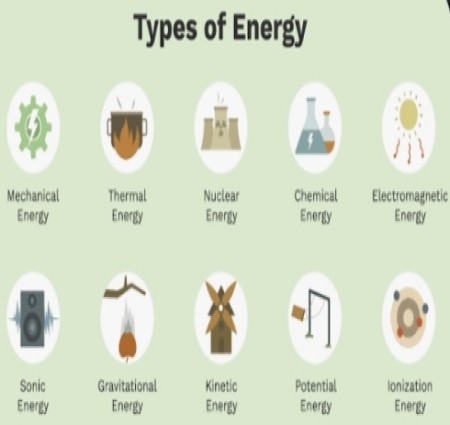
ऊर्जा के रूप- ऊर्जा के विभिन्न रूप है-
1. यान्त्रिक ऊर्जा- वह ऊर्जा जो किसी वस्तु में यान्त्रिक कार्य के कारण संचित होती है, यान्त्रिक ऊर्जा कहलाती है। जैसे गिरता हुआ पत्थर, घड़ी की स्प्रिंग, तपी हुई स्प्रिंग आदि से प्राप्त ऊर्जा यान्त्रिक ऊर्जा कहलाती है। यान्त्रिक ऊर्जा दो प्रकार की होती है- (1) गतिज ऊर्जा (2) स्थितिज ऊर्जा।
2. ऊष्मीय ऊर्जा - ईंधन जलाने से ऊर्जा अथवा और विकिरण से उत्पन्न ऊष्मा-ऊष्मीय ऊर्जा कहलाती हैं। जैसे- भाप का इंजन, पेट्रोल इंजन तथा डीजल ईंधन से प्राप्त ऊर्जा ऊष्मीय ऊर्जा कहलाती हैं।
3. प्रकाश ऊर्जा - यह ऊर्जा जिसके कारण हमें दिखाई देता हैं,प्रकाश ऊर्जा कहलाती हैं। जैसे - विघुत बल्ब, मोमबत्ती, सूर्य आदि से प्राप्त ऊर्जा प्रकाश ऊर्जा हैं।
4. रासायनिक ऊर्जा - वह ऊर्जा जो किसी रासायनिक अभिक्रिया से प्राप्त होती हैं रासायनिक ऊर्जा कहलाती हैं। जैसे - कोयला, पेट्रोल, डीजल आदि से प्राप्त ऊर्जा रासायनिक ऊर्जा हैं।
5. विध्वनि ऊर्जा- वह ऊर्जा जिसके कारण हमारे कान के पर्दे हिलकर ध्वनि को सुनते है। जैसे लाउडस्पीकर से प्राप्त ऊर्जा ध्वनि ऊर्जा है।
6. विघुत ऊर्जा - वह ऊर्जा जो विघुत (बिजली) धारा द्वारा संचारित होती है, विघुत ऊर्जा केलाती है। जैसे विघुत सेल, विघुत जनित्र ऊर्जा से प्राप्त ऊर्जा विघुत ऊर्जा कहलाती हैं।
7.नाभि कार्य ऊर्जा- वह ऊर्जा जो नाभिकीय अभिक्रिया से प्राप्त होती हैं। नाभिकीय ऊर्जा कहलाती हैं। जैसे - नाभिकीय विखंडन एवं नाभिकीय संकलकन से प्राप्त ऊर्जा नाभिकीय ऊर्जा कहलाती है?
 "जंतु ऊतक" (Animal Tissue) जंतु ऊतक- तो हम अपनी छाती की गति को महसूस कर सकते हैं। शरीर के लिए अंग कैसे गति करते हैं? इसके लिए हमारे पास कुछ विशेष कोशिकाएं होती है जिन्हें हम पेशीय कोशिकाएं कहते हैं। इन कोशिकाओं का फैलना और सिकुड़ना अंगों को गति प्रदान करता है। रक्त अपने साथ विभिन्न पदार्थों को शरीर में एक स्थान से दूसरे स्थान तक ले जाता है। उदाहरण के लिए य...
Read More
"जंतु ऊतक" (Animal Tissue) जंतु ऊतक- तो हम अपनी छाती की गति को महसूस कर सकते हैं। शरीर के लिए अंग कैसे गति करते हैं? इसके लिए हमारे पास कुछ विशेष कोशिकाएं होती है जिन्हें हम पेशीय कोशिकाएं कहते हैं। इन कोशिकाओं का फैलना और सिकुड़ना अंगों को गति प्रदान करता है। रक्त अपने साथ विभिन्न पदार्थों को शरीर में एक स्थान से दूसरे स्थान तक ले जाता है। उदाहरण के लिए य...
Read More
जंतु ऊतक- तो हम अपनी छाती की गति को महसूस कर सकते हैं। शरीर के लिए अंग कैसे गति करते हैं? इसके लिए हमारे पास कुछ विशेष कोशिकाएं होती है जिन्हें हम पेशीय कोशिकाएं कहते हैं। इन कोशिकाओं का फैलना और सिकुड़ना अंगों को गति प्रदान करता है।
रक्त अपने साथ विभिन्न पदार्थों को शरीर में एक स्थान से दूसरे स्थान तक ले जाता है। उदाहरण के लिए यह भोजन और ऑक्सीजन को सभी कोशिकाओं तक पहुँचाता है। यह शरीर के सभी भागों में अपशिष्ट पदार्थों को एकत्र कर यकृत तथा वृक्क तक उत्सर्जन के लिए पहुँचाता हैं।
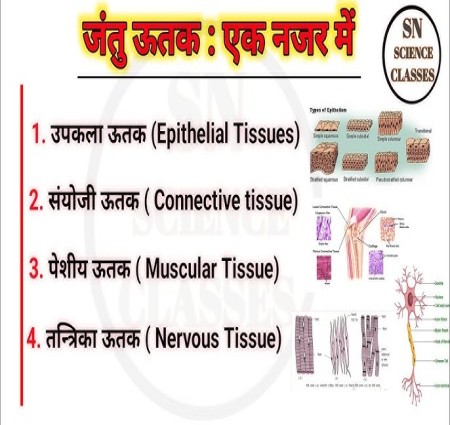
1. एपिथीलियम ऊतक- जंतु के शरीर को ढकने या बाह्य रक्षा प्रदान करने वाले ऊतक एपीथिलियम में ऊतक है। एपिथीलियम में शरीर के अंदर स्थित बहुत से भागो और गोपिकाओं को ढकते हैं। यह भिन्न-भिन्न प्रकार के शारीरिक तंत्र को एक दूसरे से अलग करने के लिए अवरोधों का निर्माण करते हैं। त्वचा, मुँह, अहारनली, रक्त वाहिनी नली का अस्तर,फेफड़ों की कुपिका, आदि सभी एपीथिलियम में उत्तक से बने होते हैं।
2. संयोजी ऊतक- रक्त एक प्रकार का संयोजी ऊतक है इसे संयोजी ऊतक क्यों कहते हैं? इस अध्याय की भूमिका में इस सम्बद्ध में एक संकेत दिया गया है। आइए अब हम इस तरह के ऊतक के बारे में विस्तृत जानकारी लें। संयोजी ऊतक की कोशिकाएँ आपस में काम जुडी होती है और अंतरकोशिकीय आधात्री (Matrix) में धँसी होती है। यह आधात्री जैली की तरह तरल, सघन या कठोर हो सकती है। आधात्री की प्रकर्ति, विशिष्ट संयोजी ऊतक के कार्य के अनुसार बदलती रहती है।
3. पेशीय ऊतक - पेशीय ऊतक लंबी कोशिकाओं का बना होता है जिसे पेशीय रेशा (Muscle Fiber) भी कहा जाता हैं। यदि हमारे शरीर में गति के लिए हैं। पेशीयों में एक विशेष प्रकार की प्रोटीन होती है। जिसे सिकुड़ने वाला प्रोटीन कहते हैं। जिसके संकुचन एवं प्रसार के कारण गति होती हैं।
कुछ पेशीयों की हम इच्छानुसार करा सकते हैं। हाथ और पैर में विघमान पेशीयों को हम अपनी इच्छानुसार आवश्यकता पड़ने पर गति करा सकते है। इस तरह की पेशीयों को इच्छिक पेशी (Voluntary Muscle) कहा जाता है।
4. तंत्रिका ऊतक - सभी कोशिकाओं में उत्तेजना के अनुकूल प्रतिक्रिया करने की क्षमता होती है, यद्यपि तंत्रिका ऊतक की कोशिकाएँ बहुत शीघ्र उत्तेजित होती है और इस उत्तेजना को बहुत ही शीघ्र पूरे शरीर में एक स्थान से दूसरे स्थान तक पहुँचाती है। मस्तिष्क मेरुरज्जु तथा तंत्रिकाएँ सभी तंत्रिका ऊतकों की बनी होती है। तंत्रिका ऊतक की कोशिकाओं को तंत्रिका कोशिका या न्यूरोन कहा जाता है। न्यूरोन में कोशिकाएँ केंद्रक तथा कोशिका द्रव्य (साइटोप्लाज्म) होते हैं। इससे लंबे पतले बालों जैसी शाखाएं निकली होती है।
Read Full Blog...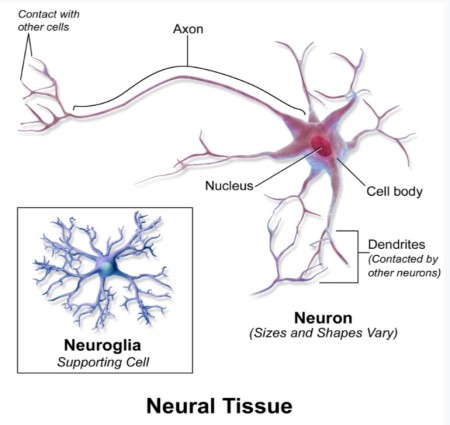 "Nervous Tissue" All cells have the ability to respond appropriately to stimuli. However, the cells of the Nervous Tissue get excited very quickly and transmit this excitement very quickly from one place to another throughout the body. The brain, spinal cord and nerves are all made up of Nervous Tissue. The cells of nervous tissue are called Nerve...
Read More
"Nervous Tissue" All cells have the ability to respond appropriately to stimuli. However, the cells of the Nervous Tissue get excited very quickly and transmit this excitement very quickly from one place to another throughout the body. The brain, spinal cord and nerves are all made up of Nervous Tissue. The cells of nervous tissue are called Nerve...
Read More
All cells have the ability to respond appropriately to stimuli. However, the cells of the Nervous Tissue get excited very quickly and transmit this excitement very quickly from one place to another throughout the body. The brain, spinal cord and nerves are all made up of Nervous Tissue. The cells of nervous tissue are called Nerve Cells or Neurons. The cells in neuron have Nucleus and Cytoplasm. Long, thin hair-like branches emerge from it.
A nerve cell can be up to one (1)meter long. Many Tantric Fibers come together through connective tissue to form a tantric.
The sensation passing through Tantric Fibers is called Tantric Edification. Tantrik's guidance helps us to move our muscles as per our wish. The functional combination of nervous and muscular tissues is fundamental in almost all living organisms. Also, this combination provides movement to the animals as per the stimulus.
Read Full Blog...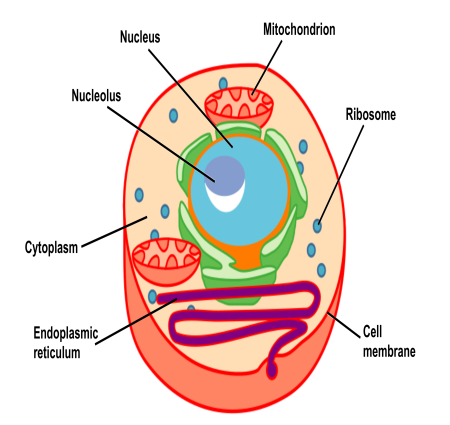 "Parts of Cells" Nucleus:- Different parts of the cell are colored in different colors depending on their chemical composition. Some areas appear darker and some lighter. In addition to iodine solution, we can also use fardin or ????????? blue solution to color the cells. Cytoplasm:- When we looked at slides of onion slices and human cheek cells, we saw a large area in each ce...
Read More
"Parts of Cells" Nucleus:- Different parts of the cell are colored in different colors depending on their chemical composition. Some areas appear darker and some lighter. In addition to iodine solution, we can also use fardin or ????????? blue solution to color the cells. Cytoplasm:- When we looked at slides of onion slices and human cheek cells, we saw a large area in each ce...
Read More
Read Full Blog...