Company Logo

Ooshas Global

Dubeymohini566@gmail.com
WEFRU6683290606202
Scan to visit website

Scan QR code to visit our website

Blog by Ooshas Global | Digital Diary

" To Present local Business identity in front of global market"

Meri Kalam Se
Digital Diary Submit Post Ooshas Global

Study in Germany 2026 27 | Top Colleges Eligibility Fees

Study in Germany 2026 27 | Top Colleges  Eligibility  Fees
Germany has become a popular destination for students who want to pursue higher education abroad. The country is known for its strong education system, respected universities, research opportunities, and excellent career possibilities. For the 2026-27 academic year, many international students are considering Germany for bachelor's, master's, and other higher education programs. One of the... Read More
Germany has become a popular destination for students who want to pursue higher education abroad. The country is known for its strong education system, respected universities, research opportunities, and excellent career possibilities. For the 2026-27 academic year, many international students are considering Germany for bachelor's, master's, and other higher education programs. One of the biggest reasons students choose to study in Germany is the quality of education. German universities focus on practical learning, research, and industry-related skills. If you are planning to Study in germany, understanding the top colleges, eligibility requirements, fees, and admission process can help you make the right decision. Why Study in Germany in 2026-27? Germany offers several benefits for international students. Its universities provide a strong academic environment and many courses are designed to prepare students for professional careers. Some major benefits include: High-quality education and teaching Strong focus on research and practical learning Many English-taught courses Numerous public universities Good career opportunities after graduation A strong economy with demand for skilled professionals International student communities Opportunities to gain experience through internships and part-time work Students can choose from a wide range of subjects, including engineering, computer science, business, management, data science, mechanical engineering, renewable energy, and other fields. Top Colleges and Universities in Germany Germany has many well-known universities that attract students from different countries. The right university depends on your academic background, preferred course, budget, and career plans. Some popular universities include: Technical University of Munich (TUM) The Technical University of Munich is highly regarded for engineering, technology, natural sciences, and management-related programs. It has a strong focus on research and innovation. Ludwig Maximilian University of Munich (LMU Munich) LMU Munich is one of Germany's respected universities and offers programs across several academic areas. It is a popular choice for students interested in subjects such as sciences, humanities, business, and social sciences. Heidelberg University Heidelberg University is known for its long academic history and strong research environment. It offers courses in various disciplines and attracts students from many countries. RWTH Aachen University RWTH Aachen is particularly popular for engineering and technical studies. Students interested in mechanical engineering, electrical engineering, computer science, and related fields often consider this university. Humboldt University of Berlin Located in the capital city, Humboldt University of Berlin offers programs across several fields and has a strong reputation in research and academics. Before applying, students should check the official university website for the latest course details, admission requirements, deadlines, and language requirements. Eligibility to Study in Germany Eligibility requirements depend on the university, course, and level of study. Students should carefully check the requirements for their selected program before applying. For Bachelor's Programs Students generally need: A recognized Class 12 qualification Required academic grades Eligibility for the selected course Proof of language proficiency Required documents for university application In some cases, additional qualifications or an entrance assessment Indian students should check whether their academic qualifications allow direct admission to the chosen bachelor's program. Depending on their educational background, they may need to complete additional academic requirements before starting university studies in Germany. For Master's Programs Students generally need: A recognized bachelor's degree A relevant academic background Required grades or academic performance Proof of English or German language proficiency Academic transcripts A valid passport Statement of purpose, if required Letters of recommendation, if required CV or resume, depending on the university Some courses may have specific subject requirements. For example, a technical master's program may require previous study in a related engineering or science field. Language Requirements Language requirements depend on the course. Some programs are taught completely in English, while others are offered in German. For English-taught programs, universities may accept tests such as IELTS or TOEFL, depending on their individual requirements. For German-taught programs, students may need to provide proof of German language proficiency through an accepted language certificate. It is important to check the exact language requirements of each university because they can differ from one program to another. Tuition Fees in Germany The cost of studying in Germany depends on the type of university, course, and location. Many public universities have low or no tuition fees for several programs, but students usually need to pay a semester contribution. This contribution may cover student services and, in some places, public transport benefits. BOOK YOUR FREE COUNSELLING NOW However, students should remember that not every program follows the same fee structure. Some universities and specific programs may charge tuition fees, particularly at certain institutions or for particular categories of students. Private universities generally have higher tuition costs than public universities. Apart from tuition fees, students should plan for: Accommodation Food and groceries Health insurance Transportation Study materials Personal expenses Visa and application-related costs The total cost of living depends heavily on the city. Larger cities such as Munich and Berlin may require a higher monthly budget than smaller student cities. Admission Process for 2026-27 Students planning to study in Germany should start preparing well in advance. The admission process can take time because documents, university applications, and visa procedures may require careful planning. A general process includes: Choose your course and preferred universities. Check eligibility and admission requirements. Prepare academic and personal documents. Meet the required language test criteria. Apply through the university or the designated application platform. Wait for the admission decision. Arrange financial proof and health insurance as required. Apply for a German student visa. Arrange accommodation and travel plans. Complete university enrollment after reaching Germany. Application deadlines can vary depending on the university and intake. Students should always check the official deadline for their chosen program. Career Opportunities After Graduation Germany has a strong economy and is home to many established companies and industries. This creates career opportunities for qualified graduates in areas such as: Engineering Information technology Computer science Business and management Automotive Renewable energy Manufacturing Research and development Finance Healthcare Students with relevant qualifications and practical experience may find opportunities to build their careers after completing their studies. Internships, student jobs, and industry projects can also help students understand the professional environment and develop useful skills. However, career opportunities depend on factors such as the student's qualification, work experience, language skills, field of study, and the current job market. How Ooshas Global Can Help Planning to study abroad involves several steps, from selecting the right course and university to preparing applications and understanding visa requirements. Ooshas Global can help students understand the study abroad process and make informed decisions based on their academic goals. Students should research universities carefully and compare courses, eligibility criteria, fees, location, and career opportunities before making a final decision. Important Tips for Students If you are planning to study in Germany for the 2026-27 intake, keep these points in mind: Start your research early. Shortlist universities based on your academic profile. Check course-specific eligibility requirements. Prepare language test scores in advance. Keep all academic documents ready. Check application deadlines carefully. Plan your finances before applying. Research accommodation options early. Learn basic German for daily communication. Understand the student visa process before making travel plans. Good preparation can make the admission journey smoother and help you avoid last-minute problems. Conclusion Studying in Germany in 2026-27 can be a valuable choice for students looking for quality education, practical learning, and career development. With respected universities, a variety of courses, and opportunities for international students, Germany continues to attract students from India and other countries. The key is to start early, choose the right course, understand eligibility and fees, and prepare all documents carefully. With proper planning and guidance from Ooshas Global, students can take confident steps toward achieving their higher education goals in Germany. Get in touch:- Company Name: Ooshas Global Phone no: ‪+91- 98 7586 3347 Website: https://ooshasglobal.com/ Email: info@ooshasglobal.com Address :Mahalakshmi Chambers, 29, 1st Floor, BHIVE Workspace, Mahatma Gandhi Rd, near Trinity Metro Station, Bengaluru, Karnataka 560001.  
Read Full Blog
Dubeymohini566@gmail.com 28 Jul 2026 21 Views

What to Expect as an Indian Student Study in Germany?

What to Expect as an Indian Student Study in Germany?
For many Indian students, studying abroad is a major step toward building a strong academic and professional future. Germany has become a popular destination because of its respected universities, strong education system, diverse study programs, and excellent career opportunities. If you are planning to Study in germany, it is important to know what daily life, academics, admissions, and career pl... Read More
For many Indian students, studying abroad is a major step toward building a strong academic and professional future. Germany has become a popular destination because of its respected universities, strong education system, diverse study programs, and excellent career opportunities. If you are planning to Study in germany, it is important to know what daily life, academics, admissions, and career planning may look like. Understanding these things in advance can help you prepare better and make your transition smoother. High-Quality Education One of the first things you can expect in Germany is a strong focus on education and practical learning. German universities are known for their academic standards and research facilities. Many courses are designed to help students develop both theoretical knowledge and practical skills. Depending on your program, you may have lectures, seminars, group projects, presentations, laboratory work, and independent assignments. Students are generally encouraged to think independently and take responsibility for their studies. This may feel different from the learning style you are familiar with in India, but it can help you become more confident and self-reliant. Germany also has several respected universities and institutions offering programs in areas such as: Engineering and technology Computer science and IT Business and management Data science Natural sciences Renewable energy Automotive engineering Architecture Social sciences A Different Academic Environment Indian students may initially find the German education system more independent. Professors are usually there to guide students, but you are expected to manage your own study schedule and complete your work on time. You may need to spend considerable time: Reading academic materials Preparing for examinations Working on projects Attending classes Completing assignments Conducting research Time management is therefore very important. You should not wait until the last moment to prepare for exams or submit assignments. This independent approach can be challenging at first, but it can also help you develop valuable skills that are useful in your future career. Admission Process and Planning The admission process depends on your chosen university, course, and previous qualification. You should carefully check the eligibility requirements before applying. Depending on the program, you may need: Academic certificates and transcripts Proof of language proficiency A valid passport Statement of purpose Letters of recommendation Resume or CV Proof of financial resources Other documents required by the university Some programs may have additional requirements, so it is important to start preparing your documents early. For Indian students, selecting the right course and understanding admission requirements can make the application process much easier. Ooshas Global can help students understand the study process, explore suitable courses, and prepare for their journey to Germany. Language and Communication Although many universities offer programs taught in English, learning some German can make your life easier. You may encounter German in everyday situations such as: Shopping Using public transport Visiting government offices Finding accommodation Communicating with local people Looking for part-time work You do not necessarily need to become fluent immediately. Even learning basic German phrases can help you feel more comfortable in your new surroundings. BOOK YOUR FREE COUNSELLING NOW Knowing the local language can also help you connect with people and understand German culture better. Student Life in Germany Life as an Indian student in Germany can be an exciting experience. You will meet students from different countries and have the opportunity to learn about new cultures. Universities often have student clubs, sports activities, cultural events, and other activities. Joining these groups can help you make friends and feel connected to the student community. At the same time, you may experience some homesickness, especially during the first few weeks or months. Staying in touch with your family and connecting with other Indian students can help you adjust. You should also be prepared for differences in food, weather, social habits, and daily routines. Managing Your Living Expenses Your expenses will depend on the city where you live and your lifestyle. Accommodation, food, transportation, health insurance, study materials, and personal expenses are some of the costs you should plan for. Larger cities may have higher living expenses, while smaller student cities may be easier to manage financially. Before leaving India, prepare a realistic monthly budget that includes: Rent and accommodation Groceries and meals Transportation Health insurance Phone and internet Study materials Personal expenses Emergency savings Having a financial plan can help you avoid unnecessary stress after arriving in Germany. Accommodation Can Take Planning Finding suitable accommodation is an important part of preparing for your move. Student residences are popular, but availability can be limited. You may also consider shared apartments, private rentals, or other student housing options. Start looking for accommodation as early as possible. Be careful when making payments and always verify rental details before transferring money. Career Opportunities After Graduation One of the major reasons students choose Germany is the opportunity to develop their careers after completing their studies. Germany has a strong economy and is known for industries such as: Engineering Automotive Information technology Manufacturing Finance Healthcare Renewable energy Research and development Students with relevant qualifications and practical skills may find opportunities to begin their professional careers after graduation, subject to applicable immigration and employment rules. Internships, student jobs, university projects, and networking can also help you gain practical experience while studying. The Importance of Practical Experience Your academic qualification is important, but practical experience can also make a difference when you start looking for employment. During your studies, consider building your professional profile through: Internships University projects Research work Student jobs Industry events Networking Career fairs You can also improve your resume and interview skills before graduation. Starting your career preparation early can give you more time to understand the job market and identify suitable opportunities. Advantages of Studying in Germany Indian students can experience several benefits by choosing Germany for higher education. Strong Academic Standards German universities provide structured academic programs with a focus on knowledge, research, and practical learning. International Exposure Studying with people from different backgrounds can improve your communication skills and broaden your understanding of different cultures. Career Development Germany's strong industrial and business sectors can provide opportunities for students who have relevant qualifications and skills. Practical Learning Many programs focus on applying classroom knowledge to real-life situations, helping students prepare for professional careers. Personal Growth Living independently in another country can help you become more responsible, confident, and adaptable. Challenges Indian Students Should Prepare For While studying in Germany can be rewarding, it is important to be realistic about the challenges. You may initially face: Language barriers Homesickness Different teaching methods Managing your own finances Finding accommodation Adjusting to the weather Learning to live independently The first few months may require patience and flexibility. With proper preparation, most students gradually become comfortable with their new environment. How to Prepare Before Moving A little preparation can make your transition much easier. Before travelling to Germany, make sure you: Understand your university and course requirements Arrange your accommodation Organize important documents Plan your finances Learn basic German Research your city and public transport Understand student responsibilities Connect with other students Pack according to the local weather It is also a good idea to learn about German culture and everyday rules before you arrive. This can help you adapt more quickly. Ooshas Global supports students who are planning their higher education journey by helping them understand important steps related to course selection, university applications, and studying abroad. Conclusion Studying in Germany can be a valuable experience for Indian students who want quality education, international exposure, personal growth, and opportunities to build a strong career. From adapting to an independent academic environment to exploring new cultures and gaining practical experience, the journey can help you develop skills that stay with you for years. With careful planning, the right course, proper financial preparation, and a willingness to adapt, you can make your student experience in Germany successful and rewarding. Get in touch:- Company Name: Ooshas Global Phone no: ‪+91- 98 7586 3347 Website: https://ooshasglobal.com/ Email: info@ooshasglobal.com Address :Mahalakshmi Chambers, 29, 1st Floor, BHIVE Workspace, Mahatma Gandhi Rd, near Trinity Metro Station, Bengaluru, Karnataka 560001.  
Read Full Blog
Dubeymohini566@gmail.com 27 Jul 2026 28 Views

What Is the Cost of Study in Germany for Indian Students?

What Is the Cost of Study in Germany for Indian Students?
Germany has become a popular destination for Indian students who want to pursue higher education abroad. The country is known for its strong education system, respected universities, practical learning, and excellent career opportunities. For many students, one of the biggest attractions is the possibility of studying at public universities with low or no tuition fees for many programs. However, s... Read More
Germany has become a popular destination for Indian students who want to pursue higher education abroad. The country is known for its strong education system, respected universities, practical learning, and excellent career opportunities. For many students, one of the biggest attractions is the possibility of studying at public universities with low or no tuition fees for many programs. However, studying abroad still involves several expenses. Students need to plan for semester contributions, accommodation, food, health insurance, transportation, visa expenses, and other personal costs. If you are planning to Study in germany, understanding the expected expenses in advance can help you prepare a realistic budget. Is Studying in Germany Expensive for Indian Students? The overall cost depends on the university, course, city, and lifestyle of the student. Compared with countries such as the USA, UK, Canada, and Australia, Germany can be a cost-effective destination for higher education. Many public universities do not charge regular tuition fees for several bachelor's and master's programs. However, students usually need to pay a semester contribution. Private universities, on the other hand, can charge significant tuition fees. Indian students should therefore consider both education costs and living expenses before making a decision. Tuition Fees in Germany Tuition fees are one of the most important parts of the study-abroad budget. Public Universities Most public universities in Germany offer tuition-free education for many programs, particularly at the undergraduate level. However, students generally have to pay a semester contribution. The semester contribution may cover services such as: Student administration Student services University facilities Student organizations Public transportation in some regions The exact amount varies from one university to another. Students should also check the specific rules of their chosen university and state because tuition policies can differ. Private Universities Private universities generally charge tuition fees. The amount depends on the university, course, and degree level. Programs in fields such as business, management, engineering, and technology may have different fee structures. Students should compare the total program cost before applying. Cost of Living in Germany Living expenses are another major part of the total study budget. The cost of living can vary significantly depending on the city. For example, cities such as Munich, Frankfurt, and Hamburg can be more expensive than smaller university towns. Rent is usually the biggest monthly expense for students. A student may need to budget for: Accommodation Food and groceries Health insurance Local transportation Mobile phone and internet Study materials Personal expenses Leisure activities On average, students may need to plan for around €900 to €1,300 per month, depending on their lifestyle and location. Accommodation Costs Finding suitable accommodation is an important part of planning your budget. Students can choose from different types of housing, including: Student dormitories Shared apartments Private rented apartments Shared rooms Student dormitories are often popular because they can be more economical. However, availability may be limited, so students should apply early. Rent in larger cities is usually higher. Choosing a smaller university town or living outside the city center may help reduce monthly expenses. Food and Grocery Expenses Food costs depend on your lifestyle and eating habits. Cooking at home and buying groceries from supermarkets can help students manage their monthly budget. University cafeterias, known as Mensa, can also provide reasonably priced meals for students. A student may spend approximately €200 to €300 per month on food and groceries, although the actual amount will depend on personal choices. Health Insurance Costs Health insurance is an important requirement for international students in Germany. Students generally need valid health insurance coverage during their studies. The monthly cost depends on the insurance provider and the student's circumstances. Before travelling to Germany, students should understand the insurance requirements and make sure they have appropriate coverage. Student Visa and Other Initial Expenses Indian students should also consider the costs involved before starting their studies. These may include: Student visa application expenses Document preparation and translation Language proficiency test fees University application fees, if applicable Flight tickets Initial accommodation Health insurance Residence registration Blocked account or other proof of financial resources, where required These initial expenses can make the first few months more expensive than the regular monthly budget. Blocked Account Requirement Indian students applying for a German student visa may need to show proof that they have sufficient funds to support themselves during their stay. One common method is a blocked account. The required amount can change based on German government regulations, so students should always check the latest official requirements before applying for their visa. This money is intended to help cover living expenses while studying in Germany. Transportation Costs Germany has an extensive public transportation network, making it convenient for students to travel between their university, accommodation, and other places. BOOK YOUR FREE COUNSELLING NOW Depending on the location and university, students may benefit from student transportation arrangements or discounted travel options. Transportation expenses should still be included in the monthly budget, especially if the student lives far from the university. Can Indian Students Work While Studying in Germany? Germany also provides opportunities for international students to gain work experience while studying, subject to applicable regulations. Part-time employment can help students manage some of their living expenses and gain valuable professional experience. However, students should not depend entirely on part-time work to fund their education. The primary purpose of travelling to Germany should be education, and students need to manage their studies and employment responsibilities carefully. Career Opportunities After Graduation One of the major benefits of studying in Germany is the opportunity to build a strong academic and professional foundation. German universities are known for their focus on practical education, research, and industry-relevant learning. Students can find programs in areas such as: Engineering Computer Science Information Technology Business and Management Data Science Renewable Energy Mechanical Engineering Automotive Engineering Life Sciences Germany has a strong industrial and business environment, which can provide graduates with opportunities to develop professional skills and explore career paths after completing their studies. International students should always check the latest post-study work and residence regulations before making long-term plans. Why Choose Germany for Higher Education? Apart from the cost factor, Germany offers several advantages for international students. High-Quality Education German universities have a strong reputation for academic standards, research, and practical learning. Many programs are designed to prepare students for professional careers and further academic research. Diverse Study Programs Students can choose from a broad range of bachelor's, master's, and doctoral programs. Many universities also offer programs taught partly or entirely in English, particularly at the master's level. Strong Career Opportunities Germany has a strong economy and is home to many well-known companies and industries. Students with relevant qualifications and skills can explore career opportunities in fields such as engineering, technology, business, and research. International Learning Environment Students from different countries study in Germany, giving international students the opportunity to meet people from different backgrounds and develop cross-cultural skills. How Can Indian Students Reduce Their Study Costs? Students can take several steps to manage their expenses effectively. Choose a public university where applicable. Compare living costs before selecting a city. Apply for student accommodation early. Prepare meals at home whenever possible. Use student discounts and public transportation. Look for scholarships and financial support. Create a monthly budget before travelling. Keep an emergency fund for unexpected expenses. Good financial planning can make the transition to Germany much easier. How Ooshas Global Can Help Students Planning to study abroad involves several steps, from selecting a suitable course and university to preparing documents and understanding the application process. Students may benefit from professional guidance when making these important decisions. Ooshas Global can help students understand the admission process, explore suitable study options, prepare applications, and receive guidance throughout their study-abroad journey. Final Thoughts The cost of studying in Germany for Indian students depends on several factors, including the university, course, city, accommodation, and personal lifestyle. While many public universities offer programs with low or no regular tuition fees, students still need to plan carefully for living costs, semester contributions, insurance, visa-related expenses, and other requirements. Germany can be an attractive destination for students looking for quality education, practical learning, and strong career opportunities. With proper financial planning and the right course selection, students can make their international education journey more manageable. Ooshas Global can guide students in understanding the admission process and planning their journey toward higher education in Germany. Get in touch:- Company Name: Ooshas Global Phone no: ‪+91- 98 7586 3347 Website: https://ooshasglobal.com/ Email: info@ooshasglobal.com Address :105,first floor, Geetanjali Tower Ajmer Road, Jaipur, Rajasthan 302006  
Read Full Blog
Dubeymohini566@gmail.com 25 Jul 2026 42 Views

What Is It Like to Study in Germany?

What Is It Like to Study in Germany?
Studying abroad is a big decision, especially when you are choosing a country for your higher education. Germany has become a popular destination for students who want quality education, internationally recognized degrees, and a chance to experience life in a new country. But what is student life really like there? For many international students, Study in germany means more than attending classes... Read More
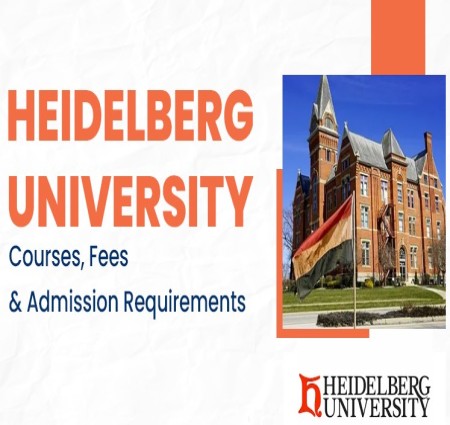
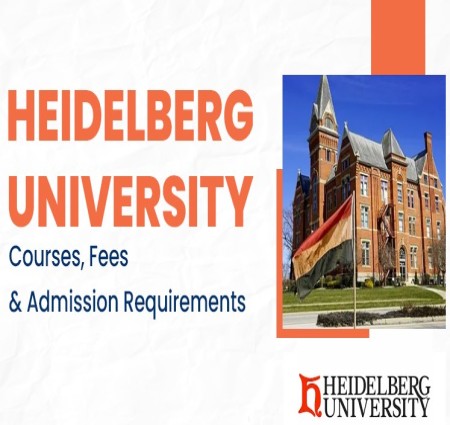
Studying abroad is a big decision, especially when you are choosing a country for your higher education. Germany has become a popular destination for students who want quality education, internationally recognized degrees, and a chance to experience life in a new country. But what is student life really like there? For many international students, Study in germany means more than attending classes. It is an opportunity to become independent, meet people from different backgrounds, explore a new culture, and prepare for a future career. From modern universities to practical learning, Germany offers a study experience that can help students grow academically and personally. A High Standard of Education One of the biggest advantages of studying in Germany is the quality of education. German universities are known for strong academic standards, experienced professors, and well-structured courses. Many programs focus on combining theoretical knowledge with practical learning. Depending on your course, you may work on projects, attend practical sessions, complete internships, or participate in research activities. This approach can help students understand their subjects better and develop skills that are useful in professional life. Germany also has a strong reputation in areas such as: Engineering Computer Science Information Technology Business and Management Automotive Studies Mechanical Engineering Data Science Renewable Energy Natural Sciences Students can choose from a variety of undergraduate and postgraduate programs based on their academic background and career goals. What Is Student Life Like in Germany? Student life in Germany can be quite different from what students experience in India or other countries. Universities generally encourage students to manage their studies independently. You may have lectures, seminars, assignments, presentations, and examinations. In many programs, students are expected to read course materials and prepare outside the classroom as well. Explore Heidelberg University and discover its academic programs, admission details, and opportunities for international students planning to study in Germany.  This may feel challenging at first, but it can help you become more confident and responsible. Outside academics, students can enjoy a balanced lifestyle. University towns and cities often have libraries, sports facilities, student clubs, cultural events, and social activities. You can also explore museums, historical places, parks, and nearby cities during your free time. Meeting Students from Different Countries One of the most exciting parts of studying abroad is meeting people from different cultures. German universities attract students from many countries. As an international student, you may have classmates from Asia, Africa, America, and other parts of the world. This gives you the opportunity to: Make new friends Learn about different cultures Improve your communication skills Build an international network Become more comfortable in multicultural environments Living with people from different backgrounds can also change the way you look at the world and help you become more open-minded. Learning German Can Make Life Easier You can find several degree programs taught in English, especially at the master's level. However, learning some German can make your daily life much easier. Knowing basic German can help when you are: Shopping for groceries Using public transport Visiting a doctor Looking for accommodation Communicating with local people Searching for part-time work You do not necessarily need to become fluent immediately. Even learning basic phrases and everyday expressions can make your experience more comfortable. If you plan to stay in Germany after graduation, improving your German language skills can also be helpful for your professional life. A Chance to Become Independent Moving to another country teaches you many things outside the classroom. As a student in Germany, you may need to manage your own accommodation, cooking, transportation, finances, appointments, and daily responsibilities. At first, this can feel overwhelming. However, with time, you become more confident in handling things on your own. This independence is one of the most valuable parts of studying abroad. It helps you develop important life skills that can benefit you long after you complete your degree. Career Opportunities After Graduation Germany has a strong economy and is known for industries such as engineering, automobiles, technology, manufacturing, healthcare, and business. For international students, studying at a German university can provide exposure to professional environments and industry-related learning. Depending on your course and qualifications, you may explore career opportunities in areas such as: Engineering and manufacturing Information technology Software development Business and finance Automotive industries Research and development Data and technology Renewable energy Internships and practical experience can also help students understand how their academic knowledge is used in the workplace. Students who are planning their careers should research the job market, language requirements, and professional qualifications related to their chosen field before selecting a course. Admission Advantages for International Students Germany offers many study programs for international students. However, admission requirements depend on the university, course, and level of study. Before applying, students should carefully check: Academic qualifications Required grades Language requirements Course-specific eligibility Application deadlines Required documents Entrance requirements, if applicable Some universities may have different application procedures, so it is important to check the official requirements of each institution. BOOK YOUR FREE COUNSELLING NOW Students should also start preparing early. Collecting documents, arranging language test results, preparing applications, and completing visa formalities can take time. Getting proper guidance can make the application process easier. Ooshas Global can help students understand the study process and plan their applications based on their academic goals. Is Germany a Good Choice for Indian Students? For Indian students, Germany can be an interesting destination for higher education. The country offers strong academic programs, practical learning opportunities, and exposure to an international environment. Students from India should consider several factors before making their decision. These include: The course and university Language of instruction Total study and living expenses Accommodation Visa requirements Career goals Language skills Location of the university It is also important to understand that studying abroad requires careful planning. Students should create a realistic budget and learn about the financial requirements before moving to Germany. Adjusting to Life in Germany Like any international destination, Germany may take some time to get used to. The weather, food, lifestyle, education system, and communication style may be different from what you are familiar with. Some students may experience homesickness during the first few weeks or months. This is completely normal. You can make the transition easier by staying connected with family, making friends, joining student activities, and exploring your surroundings. Being open to new experiences can help you adjust faster and enjoy your time as a student. Things to Know Before You Move Before leaving for Germany, students should prepare themselves for both academic and personal life. A few useful steps include: Research your university and city Understand your course structure Arrange accommodation in advance Learn basic German Prepare important documents Plan your monthly expenses Understand public transport Learn about student services Keep emergency contacts available Good preparation can reduce stress and help you settle into your new environment more comfortably. Why Study in Germany Can Be a Valuable Experience Studying in Germany is not only about earning a degree. It can be a chance to develop independence, gain practical knowledge, meet people from different cultures, and prepare for your future career. The experience can help students become more confident and adaptable. It also allows them to understand a different education system and experience life in a new country. However, every student's experience will be different. Your choice of university, course, city, financial planning, and willingness to adapt can all affect your journey. Students who are unsure about where to begin can seek professional guidance. Ooshas Global can support students in understanding their study plans and taking the right steps toward studying in Germany. Conclusion So, what is it like to study in Germany? For many students, it is a combination of quality education, independent living, cultural experiences, and career preparation. The journey may come with challenges, but it can also help you grow personally and academically. If you are considering studying abroad, take time to research your preferred course, understand the admission requirements, plan your finances, and prepare for life in a new country. With careful planning and the right guidance, studying in Germany can be a meaningful and rewarding experience. Get in touch:- Company Name: Ooshas Global Phone no: ‪+91- 98 7586 3347 Website: https://ooshasglobal.com/ Email: info@ooshasglobal.com Address :105,first floor, Geetanjali Tower Ajmer Road, Jaipur, Rajasthan 302006
Read Full Blog
Dubeymohini566@gmail.com 24 Jul 2026 36 Views

What Are the Requirements to Study in Germany?

What Are the Requirements to Study in Germany?
Germany is one of the most popular destinations for students who want to pursue higher education abroad. The country is known for its strong education system, respected universities, practical learning, and excellent career opportunities. Students from different countries choose Germany for bachelor's, master's, and doctoral programs. If you are planning to Study in germany, understanding... Read More
Germany is one of the most popular destinations for students who want to pursue higher education abroad. The country is known for its strong education system, respected universities, practical learning, and excellent career opportunities. Students from different countries choose Germany for bachelor's, master's, and doctoral programs. If you are planning to Study in germany, understanding the admission requirements is an important first step. The requirements can vary depending on the university, course, and level of study. However, there are some common eligibility criteria that most international students need to meet. This guide explains the main requirements, documents, language qualifications, financial needs, and visa-related requirements you should know before applying. Academic Qualifications The first requirement for studying in Germany is meeting the academic qualifications for your chosen course. For Bachelor's Programs Students applying for a bachelor's degree generally need to have completed their secondary education or equivalent qualification. Indian students may need to meet specific eligibility conditions based on their Class 12 results and previous education. Depending on the university and program, you may need: Class 12 or equivalent qualification Required marks or grades Relevant subjects studied in school Recognition of your academic qualification Additional entrance requirements, if applicable Some students may need to complete additional academic requirements before starting a bachelor's degree in Germany. Your eligibility can depend on your educational background and the university you choose. For Master's Programs Students applying for a master's degree usually need a recognized bachelor's degree in a relevant field. Common requirements include: A recognized bachelor's degree Relevant academic background Minimum required grades or percentage Academic transcripts Proof of previous education Work experience for selected programs Certain courses may also require specific subjects or credits during your bachelor's degree. Therefore, checking the university's admission requirements before applying is essential. Explore Technical University of Munich Germany, including admission requirements, top courses, tuition fees, and study opportunities for international students. Language Proficiency Requirements Language requirements depend on the language in which your course is taught. Many international programs in Germany are taught in English, while several undergraduate and postgraduate programs are available in German. English-Taught Programs For English-language courses, universities may ask for proof of English proficiency. Accepted tests can include: IELTS TOEFL PTE, depending on the university Other recognized English language tests The required score varies by university and course. Some universities may also accept previous education completed in English in certain situations. German-Taught Programs If your chosen course is taught in German, you may need to provide proof of German language proficiency. Depending on the program, accepted qualifications may include recognized German language certificates. The required level can differ from one course to another. It is important to check the exact language requirements of your selected university before submitting your application. Entrance Requirements and Eligibility Some German universities and courses have additional admission conditions. These may include entrance examinations, aptitude tests, interviews, or subject-specific requirements. For example, certain competitive programs may have limited seats. In such cases, universities may consider academic performance and other eligibility factors during the selection process. Before applying, students should carefully review: Course eligibility Required academic subjects Minimum grades Language requirements Entrance examinations Application deadlines Additional documents Meeting the basic eligibility requirements does not always guarantee admission, especially for highly competitive courses. Important Documents Required Preparing documents in advance can make the application process easier. The exact documents depend on the university and course, but international students commonly need: Valid passport Academic certificates Mark sheets and transcripts Bachelor's degree certificate for master's applicants Language proficiency certificate Updated CV or resume Statement of Purpose (SOP), if required Letters of Recommendation, if required Passport-size photographs Proof of application or admission Additional documents requested by the university Some documents may need to be translated into German or English if they are issued in another language. Students should also check whether certified copies or official translations are required. Financial Requirements Students planning to study in Germany need to show that they can manage their living expenses during their stay. The amount required can change over time and depends on current government rules. Students may be asked to provide financial proof through accepted methods, such as a blocked account or other approved financial arrangements. Your financial planning should consider expenses such as: Accommodation Food Health insurance Transportation Study materials Personal expenses Germany is known for having many public universities with relatively low tuition costs compared with several other popular study destinations. However, students still need to plan carefully for living expenses and any applicable semester fees or tuition charges. Health Insurance Health insurance is an important requirement for international students in Germany. Students generally need valid health insurance coverage to enroll at a German university and complete other formalities. The exact requirements can depend on your student status and individual circumstances. Make sure your insurance meets the requirements applicable to international students before traveling to Germany. Germany Student Visa Requirements Students from countries that require a visa to enter Germany for study purposes need to apply for the appropriate student visa. The visa application generally involves documents such as: Valid passport University admission letter Proof of financial resources Health insurance Academic documents Language proficiency proof, where applicable Completed visa application Biometric photographs Other documents requested by the German authorities Students should start the visa process early because processing times can vary. It is also important to follow the latest instructions provided by the relevant German authorities and visa application center. Why Study in Germany? Germany offers several advantages for international students. Its universities are respected for academic quality, research, and practical learning. Students can choose from a wide range of programs in fields such as: Engineering Computer Science Business and Management Data Science Mechanical Engineering Automotive Engineering Renewable Energy Biotechnology Finance Economics The country also has a strong industrial sector, which can provide students with opportunities to gain practical experience and develop professional skills. Many programs focus on combining academic knowledge with real-world applications. This can help students prepare for future careers and understand how their subject is used in professional settings. Education Quality and Career Opportunities One of the main reasons students choose Germany is the quality of education. Universities and institutions emphasize research, innovation, practical knowledge, and independent learning. BOOK YOUR FREE COUNSELLING NOW A German degree can help students build a strong academic foundation and develop skills valued by employers. Depending on their qualifications, career interests, and visa status, international graduates may also explore opportunities to gain professional experience in Germany after completing their studies. Fields such as engineering, information technology, business, healthcare, and scientific research offer various career paths. However, career opportunities depend on factors such as your qualification, skills, language ability, work experience, and the current job market. Admission Advantages for International Students Germany offers a variety of study programs for international students. Students can find programs taught in both English and German, depending on their academic level and chosen subject. Another advantage is the availability of different types of universities and institutions. Students can compare courses based on: Program structure Location Tuition fees Language of instruction Course duration Career opportunities Admission requirements Choosing the right university and course is important because every institution has its own admission rules. How Ooshas Global Can Help The process of choosing a course, checking eligibility, preparing documents, and applying to universities can feel confusing for students who are applying for the first time. Ooshas Global can help students understand the study process and make informed decisions based on their academic background and career goals. From course selection to application guidance, students can seek professional support to understand the steps involved in planning their education in Germany. Final Checklist Before Applying Before submitting your application, make sure you have: Checked the university's eligibility criteria Selected a suitable course Confirmed the language requirements Prepared academic documents Arranged language test results, if required Checked application deadlines Prepared financial documents Reviewed health insurance requirements Understood the visa process Checked all application instructions carefully Starting early gives you enough time to prepare your documents and address any issues before the deadline. Conclusion Understanding the requirements is the first step toward planning your education abroad. Academic qualifications, language proficiency, financial planning, health insurance, and visa documentation are some of the key areas students should prepare for. Germany's strong education system, practical learning approach, and career opportunities make it an attractive destination for international students. With proper research and timely preparation, students can make the application process more organized and take a confident step toward their academic goals. Ooshas Global can also guide students through the process and help them better understand their study plans and admission journey. Get in touch:- Company Name: Ooshas Global Phone no: ‪+91- 98 7586 3347 Website: https://ooshasglobal.com/ Email: info@ooshasglobal.com Address :105,first floor, Geetanjali Tower Ajmer Road, Jaipur, Rajasthan 302006  
Read Full Blog
Dubeymohini566@gmail.com 23 Jul 2026 69 Views

How Hard Is It to Study in Germany as an International Student?

How Hard Is It to Study in Germany as an International Student?
Studying abroad is an exciting goal for many students, but it is natural to wonder how difficult life will be in a new country. Germany is a popular destination for international students because of its strong education system, respected universities, career opportunities, and student-friendly environment. However, like any study-abroad destination, adjusting to life and education in Germany comes... Read More
Studying abroad is an exciting goal for many students, but it is natural to wonder how difficult life will be in a new country. Germany is a popular destination for international students because of its strong education system, respected universities, career opportunities, and student-friendly environment. However, like any study-abroad destination, adjusting to life and education in Germany comes with its own challenges. So, how hard is it to study in Germany as an international student? The answer depends on your academic preparation, language skills, financial planning, and ability to adjust to a new culture. With proper planning and the right guidance, students can successfully manage these challenges and enjoy their study experience. Is It Difficult to Study in Germany? For some students, studying in Germany may feel challenging at first. The education system can be different from what students are used to in their home country. Universities often expect students to take responsibility for their studies, manage their time, attend classes regularly, complete assignments, and prepare independently for exams. The level of difficulty also depends on the course you choose. Technical, engineering, business, and science programs may have demanding coursework, while other programs may require more reading, research, presentations, or project work. The good news is that students who are organized and consistent can adapt to the academic system over time. Understanding the German Education System One of the biggest advantages of choosing to study in Germany is the quality of education. German universities are known for their strong academic standards and practical approach to learning. Students are encouraged to understand concepts rather than simply memorize information. Depending on the course, you may have to work on: Research projects Group assignments Presentations Practical training Laboratory work Independent study Written examinations This approach can be challenging in the beginning, but it also helps students develop skills that are useful in their future careers. Language Can Be a Challenge Language is one of the main concerns for international students. Many degree programs are available in English, especially at the master's level. However, knowing some German can make everyday life much easier. Even if your university course is taught in English, you may need German when: Shopping for groceries Using public transport Visiting government offices Finding part-time work Communicating with local people Looking for accommodation Learning basic German before arriving can help you feel more confident. You do not need to become fluent immediately. Learning simple phrases and everyday expressions can make your initial adjustment much easier. Managing Academic Pressure University life in Germany requires discipline and self-management. Students are generally expected to take responsibility for their academic progress. You may need to create your own study schedule and prepare for exams without constant reminders from professors. This can be difficult for students who are used to a highly structured academic environment. To manage your studies effectively: Create a weekly study plan. Start exam preparation early. Attend lectures and practical sessions. Keep track of assignment deadlines. Ask professors questions when you need help. Join study groups with other students. Make use of university libraries and academic resources. Developing good study habits from the beginning can make your academic journey much smoother. Is Admission to German Universities Difficult? Admission requirements depend on the university, course, and level of study. Students must carefully check the eligibility criteria before applying. Common requirements may include: Academic qualifications Relevant subject background Proof of language proficiency Academic transcripts Statement of purpose, where required Letters of recommendation, where required Valid passport Additional documents depending on the university Some universities and courses can be highly competitive. Therefore, students should research their preferred programs early and prepare all documents carefully. A strong academic background can improve your chances of admission, but every university evaluates applications according to its own requirements. Getting professional guidance from an experienced education consultancy can help students understand the application process. Ooshas Global can assist students in planning their study-abroad journey and understanding the steps involved in applying to German universities. Financial Planning for International Students Managing finances is another important part of studying abroad. Students need to plan for tuition fees, accommodation, food, transportation, health insurance, and other personal expenses. The total cost can vary depending on the city and lifestyle. Larger cities may have higher living expenses, while smaller cities may be more manageable for some students. Before travelling to Germany, students should prepare a realistic budget that includes: Accommodation Food and groceries Transportation Health insurance Study materials Personal expenses Emergency savings Good financial planning can reduce stress and help students focus more on their studies. Finding Accommodation Finding suitable accommodation can sometimes be challenging, especially in popular student cities. Students may consider university accommodation, shared apartments, or private rental options. It is advisable to start searching for accommodation as early as possible. Some students choose shared housing because it can provide an opportunity to meet other students and experience everyday life in Germany. When looking for a place to stay, consider: Distance from the university Monthly rent Public transport connections Additional utility costs Safety and location Contract terms Planning accommodation in advance can make the transition to Germany easier. Adjusting to a New Culture Moving to another country means adapting to a different culture and lifestyle. Some students may initially experience homesickness or feel uncomfortable in unfamiliar surroundings. BOOK YOUR FREE COUNSELLING NOW German culture may be different in areas such as communication, punctuality, personal space, and daily routines. However, most students gradually adjust as they become more familiar with their surroundings. You can make the transition easier by: Meeting other international students Joining university clubs Participating in student events Exploring your city Learning about German culture Practicing the local language Building a social network can make your experience more enjoyable and help you feel at home. Career Opportunities After Graduation One of the major reasons students choose Germany is the potential for career development after completing their studies. The country has strong industries in areas such as engineering, information technology, automotive, business, finance, healthcare, and research. Students can gain valuable knowledge and practical experience during their studies. Depending on their course and eligibility, they may also explore internships, part-time work, and employment opportunities. Studying in Germany can help students develop: International exposure Practical knowledge Professional skills Cross-cultural communication Industry experience A strong academic foundation However, career success depends on several factors, including your qualifications, skills, language ability, experience, and the job market in your field. Benefits of Studying in Germany Despite the challenges, Germany offers several benefits for international students. High-Quality Education German universities maintain strong academic standards and offer programs across many fields. Students can choose from a variety of bachelor's and master's programs based on their academic interests. Practical Learning Many programs focus on connecting academic knowledge with practical applications. This can help students understand how their learning is used in professional environments. International Student Environment Students from different countries choose German universities, creating a multicultural learning environment. This allows students to meet people from different backgrounds and develop international connections. Career Development Germany has a strong economy and many established industries. Students who build the right qualifications and experience can explore career opportunities related to their field of study. Personal Growth Living abroad can help students become more independent and confident. Managing studies, finances, accommodation, and daily responsibilities can teach valuable life skills. How Can International Students Make Life Easier? The first few months may be the most challenging, but preparation can make a significant difference. Before travelling, students should: Research their university and city. Understand admission requirements. Prepare important documents. Learn basic German. Create a financial plan. Arrange accommodation early. Understand health insurance requirements. Learn about public transportation. Connect with student communities. Students should also remember that asking for help is completely normal. Universities often provide support services for international students, and fellow students can also offer useful advice. Final Thoughts So, how hard is it to study in Germany as an international student? It can be challenging, especially during the initial adjustment period. Academic independence, language barriers, financial planning, accommodation, and cultural differences may take time to manage. However, these challenges can also help students become more independent and prepared for their future careers.  If you are planning to study abroad, start preparing early and understand every stage of your journey before making a decision. Ooshas Global can help students understand their study-abroad plans and prepare for the application journey with greater clarity. Get in touch:- Company Name: Ooshas Global Phone no: ‪+91- 98 7586 3347 Website: https://ooshasglobal.com/ Email: info@ooshasglobal.com Address :  Mahalakshmi Chambers, 29, 1st Floor, BHIVE Workspace, Mahatma Gandhi Rd, near Trinity Metro Station, Bengaluru, Karnataka 560001.
Read Full Blog
Dubeymohini566@gmail.com 22 Jul 2026 64 Views

Study in Germany for Indian Students Guide

Study in Germany for Indian Students Guide
Germany has become a popular destination for Indian students who want to pursue higher education abroad. With respected universities, strong academic standards, practical learning opportunities, and a wide range of courses, Germany offers an excellent environment for students looking to build a successful career. This Study in germany guide explains the key points Indian students should know befor... Read More
Germany has become a popular destination for Indian students who want to pursue higher education abroad. With respected universities, strong academic standards, practical learning opportunities, and a wide range of courses, Germany offers an excellent environment for students looking to build a successful career. This Study in germany guide explains the key points Indian students should know before applying to German universities. For Indian students, the process of choosing a university, understanding admission requirements, arranging finances, and applying for a student visa can feel confusing at first. With proper planning and the right information, the journey can become much easier. Why Study in Germany? Germany is known for its strong education system and research-based learning. Many universities focus on combining classroom knowledge with practical skills, helping students prepare for future careers. Some important benefits include: High-quality education and internationally recognized degrees A wide selection of bachelor's and master's programs Strong focus on research and innovation Practical learning and industry exposure Opportunities to experience a new culture Excellent public transportation and student infrastructure Career opportunities after completing a degree Courses available in English as well as German Many public universities also have low or no tuition fees for several programs, although students should carefully check the fee structure of their selected university and course. Popular Courses for Indian Students Indian students can choose from many academic fields in Germany. The right course depends on previous education, career goals, academic performance, and personal interests. Popular study areas include: Engineering and Technology Computer Science and Information Technology Business and Management Mechanical Engineering Electrical Engineering Data Science Artificial Intelligence and related technology fields Natural Sciences Renewable Energy Architecture and Design Life Sciences Students should always check the specific eligibility criteria of each university before applying, as admission requirements can vary by program. Studying Bachelor's Courses in Germany Indian students who have completed Class 12 and want to pursue an undergraduate degree in Germany need to carefully check whether their educational qualifications meet the admission requirements. Depending on the student's academic background and chosen course, additional requirements may apply. Some students may need to complete a preparatory program before starting their bachelor's degree. Students should check: Class 12 academic qualifications Subject requirements Language requirements University-specific eligibility criteria Entrance examinations, if applicable Preparatory course requirements Planning early can help students understand their options and avoid delays during the application process. Studying Master's Courses in Germany Germany is a popular choice for Indian students pursuing master's degrees, particularly in technical, engineering, business, and technology-related fields. For master's admission, universities generally consider the applicant's previous bachelor's degree and academic background. Depending on the course, students may also need to meet specific subject requirements. The application process may involve: A recognized bachelor's degree Academic transcripts Proof of language proficiency Statement of purpose Resume or CV Letters of recommendation, where required Other course-specific documents Some universities may have additional requirements, so students should review the official admission guidelines before submitting an application. Language Requirements Language requirements depend on the course and university. Students applying for English-taught programs may need to provide proof of English language proficiency through an accepted test. Programs taught in German may require proof of German language skills. Even when studying in an English-taught program, learning basic German can be helpful. It can make everyday communication easier and help students feel more comfortable while living in Germany. How to Apply to German Universities The application process should be started well in advance. Students should first identify suitable universities and courses based on their academic background and career plans. A general application process includes: 1. Choose Your Course Research different courses and identify programs that match your interests and career goals. 2. Check Eligibility Carefully review the admission requirements, academic qualifications, language requirements, and other conditions. 3. Prepare Documents Common documents may include academic certificates, transcripts, passport, language test scores, CV, and other required paperwork. 4. Submit Your Application Depending on the university and program, applications may be submitted directly to the university or through an authorized application platform. 5. Receive Your Admission Decision If your application is successful, you will receive an admission letter from the university. 6. Apply for a Student Visa After receiving admission, eligible Indian students generally need to complete the student visa process and provide the required documents. Cost of Studying in Germany The total cost of studying in Germany depends on the university, course, city, and lifestyle. Students should plan for expenses such as: Tuition fees, if applicable Accommodation Food and daily expenses Health insurance Transportation Study materials Visa-related expenses Other personal costs Public universities may have different fee structures from private institutions. Students should also remember that some universities or regions may charge specific fees, so it is important to check the latest information directly with the institution. Creating a monthly budget before travelling can help students manage their finances effectively. Scholarships and Financial Support Indian students may explore scholarships and financial support opportunities available for international students. Eligibility can depend on academic performance, course, university, and other factors. Students should research scholarship opportunities early and carefully check: Eligibility requirements Application deadlines Required documents Financial coverage Renewal conditions Applying early can increase the chances of finding suitable financial support. Career Opportunities After Graduation One of the major reasons students choose Germany is the opportunity to gain valuable academic and practical experience. Graduates may explore career opportunities in fields such as: Engineering Information Technology Business and Finance Manufacturing Automotive Research and Development Renewable Energy Data and Technology Healthcare and Life Sciences Germany has a strong industrial and business environment, which can provide opportunities for qualified graduates. However, career outcomes depend on the student's qualifications, skills, language ability, work experience, and the requirements of individual employers. BOOK YOUR FREE COUNSELLING NOW Students should also understand the rules related to post-study work and residence permits before making long-term plans. Why Indian Students Should Plan Early The process of studying abroad involves several important steps. Starting early gives students enough time to research universities, prepare for language tests, collect documents, apply for admission, arrange finances, and complete visa formalities. A good timeline can look like this: 12–18 months before intake: Research courses and universities 9–12 months before intake: Check eligibility and prepare for language tests 6–9 months before intake: Prepare and submit applications After admission: Arrange finances and prepare visa documents Before departure: Organize accommodation, travel, insurance, and other essentials Students should keep track of deadlines because application dates can differ between universities and programs. How an Education Consultant Can Help The process of studying abroad can involve many decisions, especially for students applying for the first time. An experienced education consultant can help students understand course choices, university requirements, application procedures, documentation, and other important steps. Ooshas Global can support students in understanding the study abroad process and planning their applications based on their academic background and career goals. Students should still research universities independently and verify all important admission, fee, and visa information through official sources before making decisions. Final Thoughts Studying in Germany can be a valuable experience for Indian students who want quality education, international exposure, practical learning, and career development. However, success starts with careful planning. From selecting the right course and university to preparing documents and understanding visa requirements, every step should be completed with attention to detail. With proper research and timely preparation, students can make their journey smoother and focus on building their academic and professional future. Ooshas Global can help students understand the process and take informed steps toward their study abroad plans. Get in touch:- Company Name: Ooshas Global Phone no: ‪+91- 98 7586 3347 Website: https://ooshasglobal.com/ Email: info@ooshasglobal.com Address :  Mahalakshmi Chambers, 29, 1st Floor, BHIVE Workspace, Mahatma Gandhi Rd, near Trinity Metro Station, Bengaluru, Karnataka 560001.
Read Full Blog
Dubeymohini566@gmail.com 21 Jul 2026 66 Views

Study in Germany for Indian Students Guide

Study in Germany for Indian Students Guide
Germany has become a popular destination for Indian students who want to pursue higher education abroad. With respected universities, strong academic standards, practical learning opportunities, and a wide range of courses, Germany offers an excellent environment for students looking to build a successful career. This Study in germany guide explains the key points Indian students should know befor... Read More
Germany has become a popular destination for Indian students who want to pursue higher education abroad. With respected universities, strong academic standards, practical learning opportunities, and a wide range of courses, Germany offers an excellent environment for students looking to build a successful career. This Study in germany guide explains the key points Indian students should know before applying to German universities. For Indian students, the process of choosing a university, understanding admission requirements, arranging finances, and applying for a student visa can feel confusing at first. With proper planning and the right information, the journey can become much easier. Why Study in Germany? Germany is known for its strong education system and research-based learning. Many universities focus on combining classroom knowledge with practical skills, helping students prepare for future careers. Some important benefits include: High-quality education and internationally recognized degrees A wide selection of bachelor's and master's programs Strong focus on research and innovation Practical learning and industry exposure Opportunities to experience a new culture Excellent public transportation and student infrastructure Career opportunities after completing a degree Courses available in English as well as German Many public universities also have low or no tuition fees for several programs, although students should carefully check the fee structure of their selected university and course. Popular Courses for Indian Students Indian students can choose from many academic fields in Germany. The right course depends on previous education, career goals, academic performance, and personal interests. Popular study areas include: Engineering and Technology Computer Science and Information Technology Business and Management Mechanical Engineering Electrical Engineering Data Science Artificial Intelligence and related technology fields Natural Sciences Renewable Energy Architecture and Design Life Sciences Students should always check the specific eligibility criteria of each university before applying, as admission requirements can vary by program. Studying Bachelor's Courses in Germany Indian students who have completed Class 12 and want to pursue an undergraduate degree in Germany need to carefully check whether their educational qualifications meet the admission requirements. Depending on the student's academic background and chosen course, additional requirements may apply. Some students may need to complete a preparatory program before starting their bachelor's degree. Students should check: Class 12 academic qualifications Subject requirements Language requirements University-specific eligibility criteria Entrance examinations, if applicable Preparatory course requirements Planning early can help students understand their options and avoid delays during the application process. Studying Master's Courses in Germany Germany is a popular choice for Indian students pursuing master's degrees, particularly in technical, engineering, business, and technology-related fields. For master's admission, universities generally consider the applicant's previous bachelor's degree and academic background. Depending on the course, students may also need to meet specific subject requirements. The application process may involve: A recognized bachelor's degree Academic transcripts Proof of language proficiency Statement of purpose Resume or CV Letters of recommendation, where required Other course-specific documents Some universities may have additional requirements, so students should review the official admission guidelines before submitting an application. Language Requirements Language requirements depend on the course and university. Students applying for English-taught programs may need to provide proof of English language proficiency through an accepted test. Programs taught in German may require proof of German language skills. Even when studying in an English-taught program, learning basic German can be helpful. It can make everyday communication easier and help students feel more comfortable while living in Germany. How to Apply to German Universities The application process should be started well in advance. Students should first identify suitable universities and courses based on their academic background and career plans. A general application process includes: 1. Choose Your Course Research different courses and identify programs that match your interests and career goals. 2. Check Eligibility Carefully review the admission requirements, academic qualifications, language requirements, and other conditions. 3. Prepare Documents Common documents may include academic certificates, transcripts, passport, language test scores, CV, and other required paperwork. 4. Submit Your Application Depending on the university and program, applications may be submitted directly to the university or through an authorized application platform. 5. Receive Your Admission Decision If your application is successful, you will receive an admission letter from the university. 6. Apply for a Student Visa After receiving admission, eligible Indian students generally need to complete the student visa process and provide the required documents. Cost of Studying in Germany The total cost of studying in Germany depends on the university, course, city, and lifestyle. Students should plan for expenses such as: Tuition fees, if applicable Accommodation Food and daily expenses Health insurance Transportation Study materials Visa-related expenses Other personal costs Public universities may have different fee structures from private institutions. Students should also remember that some universities or regions may charge specific fees, so it is important to check the latest information directly with the institution. Creating a monthly budget before travelling can help students manage their finances effectively. Scholarships and Financial Support Indian students may explore scholarships and financial support opportunities available for international students. Eligibility can depend on academic performance, course, university, and other factors. Students should research scholarship opportunities early and carefully check: Eligibility requirements Application deadlines Required documents Financial coverage Renewal conditions Applying early can increase the chances of finding suitable financial support. Career Opportunities After Graduation One of the major reasons students choose Germany is the opportunity to gain valuable academic and practical experience. Graduates may explore career opportunities in fields such as: Engineering Information Technology Business and Finance Manufacturing Automotive Research and Development Renewable Energy Data and Technology Healthcare and Life Sciences Germany has a strong industrial and business environment, which can provide opportunities for qualified graduates. However, career outcomes depend on the student's qualifications, skills, language ability, work experience, and the requirements of individual employers. BOOK YOUR FREE COUNSELLING NOW Students should also understand the rules related to post-study work and residence permits before making long-term plans. Why Indian Students Should Plan Early The process of studying abroad involves several important steps. Starting early gives students enough time to research universities, prepare for language tests, collect documents, apply for admission, arrange finances, and complete visa formalities. A good timeline can look like this: 12–18 months before intake: Research courses and universities 9–12 months before intake: Check eligibility and prepare for language tests 6–9 months before intake: Prepare and submit applications After admission: Arrange finances and prepare visa documents Before departure: Organize accommodation, travel, insurance, and other essentials Students should keep track of deadlines because application dates can differ between universities and programs. How an Education Consultant Can Help The process of studying abroad can involve many decisions, especially for students applying for the first time. An experienced education consultant can help students understand course choices, university requirements, application procedures, documentation, and other important steps. Ooshas Global can support students in understanding the study abroad process and planning their applications based on their academic background and career goals. Students should still research universities independently and verify all important admission, fee, and visa information through official sources before making decisions. Final Thoughts Studying in Germany can be a valuable experience for Indian students who want quality education, international exposure, practical learning, and career development. However, success starts with careful planning. From selecting the right course and university to preparing documents and understanding visa requirements, every step should be completed with attention to detail. With proper research and timely preparation, students can make their journey smoother and focus on building their academic and professional future. Ooshas Global can help students understand the process and take informed steps toward their study abroad plans. Get in touch:- Company Name: Ooshas Global Phone no: ‪+91- 98 7586 3347 Website: https://ooshasglobal.com/ Email: info@ooshasglobal.com Address :  Mahalakshmi Chambers, 29, 1st Floor, BHIVE Workspace, Mahatma Gandhi Rd, near Trinity Metro Station, Bengaluru, Karnataka 560001.
Read Full Blog
Dubeymohini566@gmail.com 21 Jul 2026 28 Views

How to Study in Germany from India

How to Study in Germany from India
Germany has become one of the top destinations for Indian students who want a quality education and better career opportunities. Every year, thousands of students choose to Study in Germany because of its excellent universities, practical learning, and strong job market. If you are planning to study abroad but are unsure where to begin, this guide explains the complete process in simple language.... Read More
Germany has become one of the top destinations for Indian students who want a quality education and better career opportunities. Every year, thousands of students choose to Study in Germany because of its excellent universities, practical learning, and strong job market. If you are planning to study abroad but are unsure where to begin, this guide explains the complete process in simple language. From choosing a course to getting your student visa, you will understand every important step. Ooshas Global helps students understand the admission process, university selection, and documentation required for studying in Germany. Why Study in Germany? Germany is known for its high academic standards and modern teaching methods. Universities focus on both classroom learning and practical experience, helping students prepare for real careers. Here are some reasons why students prefer Germany: High-quality education Internationally recognized degrees Strong research and innovation Practical learning approach Safe and student-friendly environment Excellent career opportunities after graduation Diverse student community These advantages make Germany a preferred destination for students from India. Step 1: Choose the Right Course The first step is selecting a course that matches your interests and career goals. Popular study areas include: Engineering Computer Science Business and Management Data Science Artificial Intelligence Mechanical Engineering Automotive Engineering Finance Biotechnology Environmental Science Before applying, compare universities, course curriculum, admission requirements, and future career opportunities. Step 2: Find the Right University Germany has many public and private universities offering bachelor's and master's programs. While selecting a university, consider: Course content Language of instruction Admission requirements University ranking Internship opportunities Industry connections Location and student life Choose a university that supports your long-term career plans rather than selecting only based on popularity. Step 3: Check Eligibility Every university has different admission requirements, but most students need: Academic transcripts Valid passport English language proficiency test score (if required) Statement of Purpose (SOP) Letters of Recommendation (for many postgraduate courses) Updated resume or CV Always read the university guidelines carefully before applying. Step 4: Prepare Your Documents A complete application increases your chances of receiving an admission offer. Common documents include: Academic certificates Mark sheets Passport copy Statement of Purpose Resume Recommendation letters Language test scores Passport-size photographs Ensure all documents are accurate and submitted before the deadline. Step 5: Apply to Universities Most universities accept online applications. While applying: Fill every section carefully. Upload the correct documents. Double-check personal information. Submit the application before the deadline. Applying early gives enough time for document verification and visa preparation. Step 6: Receive Your Admission Letter If your application is successful, the university will send an admission letter. This letter is important because it is required for the student visa application and other admission formalities. Read all instructions mentioned in the admission letter carefully. BOOK YOUR FREE COUNSELLING NOW If you are confused about university selection, course choice, documentation, or the admission process,to receive proper guidance before starting your application. Step 7: Apply for a Student Visa After receiving your admission letter, the next step is applying for a German student visa. Generally, you will need: Valid passport Admission letter Financial proof Passport photographs Visa application form Health insurance documents Academic records Apply well before your course begins to avoid unnecessary delays. Step 8: Arrange Your Accommodation Finding accommodation early makes your move much easier. Students usually choose: University hostels Student apartments Shared accommodation Private rental apartments Research the location, transportation facilities, and nearby services before finalizing your stay. Step 9: Plan Your Finances Before moving to Germany, prepare a budget for your monthly expenses. Your budget may include: Accommodation Food Transportation Health insurance Books and study materials Personal expenses Financial planning helps students manage their expenses comfortably throughout their studies. Education Quality in Germany German universities are respected for their academic excellence. Students benefit from: Modern classrooms Practical training Research opportunities Experienced faculty Industry-focused education International exposure Learning is designed to develop problem-solving, technical knowledge, and professional skills. Career Opportunities After Graduation One of the biggest advantages of choosing to Study in Germany is the career opportunities available after completing your degree. Graduates can explore careers in: Engineering Information Technology Business Management Finance Manufacturing Research Healthcare Automotive Industry Renewable Energy Consulting Many companies value graduates from German universities because of their practical education and professional skills. Benefits for Indian Students Indian students enjoy several advantages while studying in Germany. Some key benefits include: Globally respected degrees Modern education system Practical learning experience International career exposure Multicultural environment Internship opportunities Personal and professional growth These experiences help students build confidence and prepare for successful careers. Common Mistakes to Avoid Many students make small mistakes during the application process. Avoid these common errors: Applying after deadlines Choosing courses without research Submitting incomplete documents Writing a weak Statement of Purpose Ignoring university requirements Delaying visa application Poor financial planning Careful preparation can make the entire process much smoother. Tips for a Successful Journey Keep these simple tips in mind: Start planning early. Research universities carefully. Keep all documents ready. Track application deadlines. Prepare financially. Improve your communication skills. Stay updated with university notifications. A well-planned approach saves time and reduces stress. Conclusion Choosing to Study in Germany is an excellent decision for Indian students who want quality education, practical learning, and rewarding career opportunities. With proper planning, the right university, and timely preparation, your journey can become much easier and more successful. Whether you need guidance with course selection, university applications, documentation, or the admission process, Ooshas Global can support you at every stage of your study abroad journey. Get in touch:- Company Name: Ooshas Global Phone no: ‪+91- 98 7586 3347 Website: https://ooshasglobal.com/ Email: info@ooshasglobal.com Address :  Mahalakshmi Chambers, 29, 1st Floor, BHIVE Workspace, Mahatma Gandhi Rd, near Trinity Metro Station, Bengaluru, Karnataka 560001.  
Read Full Blog
Dubeymohini566@gmail.com 20 Jul 2026 74 Views

Study in Germany Guide for Beginners

Study in Germany Guide for Beginners
Germany has become one of the most popular destinations for students who want a quality education and strong career opportunities. Every year, thousands of international students choose Germany because of its excellent universities, modern teaching methods, and practical learning environment. If you are planning to Study in Germany, this beginner's guide will help you understand everything you... Read More
Germany has become one of the most popular destinations for students who want a quality education and strong career opportunities. Every year, thousands of international students choose Germany because of its excellent universities, modern teaching methods, and practical learning environment. If you are planning to Study in Germany, this beginner's guide will help you understand everything you need to know before starting your journey. At Ooshas Global, students receive guidance throughout the admission process, making it easier to prepare for higher education in Germany. Why Study in Germany? Germany is known for its high academic standards and internationally recognized universities. Students from different countries choose Germany because it offers excellent education along with valuable practical experience. Some of the biggest advantages include: High-quality education Internationally recognized degrees Modern research facilities Strong industry connections Safe and student-friendly environment Excellent career opportunities after graduation Whether you want to pursue engineering, business, computer science, medicine, or social sciences, Germany offers programs that match different career goals. Quality of Education One of the main reasons students choose to Study in Germany is the quality of education. German universities focus on both theoretical knowledge and practical learning. Students benefit from: Experienced professors Well-equipped laboratories Modern classrooms Project-based learning Internship opportunities Industry collaborations The education system encourages students to think independently, solve real-world problems, and develop professional skills. Popular Courses in Germany Germany offers a wide range of undergraduate and postgraduate programs. Some of the most popular courses include: Engineering Computer Science Information Technology Business Administration Data Science Artificial Intelligence Mechanical Engineering Electrical Engineering Automotive Engineering Biotechnology Economics Architecture Environmental Science Hospitality Management Students can choose programs based on their academic background and future career plans. Benefits of Studying in Germany Studying in Germany offers much more than earning a degree. Some key benefits include: International Recognition Degrees from German universities are respected by employers across many countries. Practical Learning Many courses include internships, research projects, and industry training. Multicultural Environment Students meet people from different countries and learn about various cultures. Career Development Germany has a strong economy with opportunities in engineering, technology, healthcare, finance, and management. Personal Growth Living in a different country helps students become independent, confident, and adaptable. Admission Process The admission process is straightforward when you prepare your documents carefully. Generally, students need: Academic transcripts Passport Statement of Purpose (SOP) Letters of Recommendation (if required) English or German language proficiency test scores Updated resume for postgraduate courses Each university may have different admission requirements, so checking official guidelines is important before applying. Cost of Living Students should plan their budget before moving to Germany. Common monthly expenses include: Accommodation Food Transportation Health insurance Internet and mobile bills Personal expenses Costs vary depending on the city, lifestyle, and accommodation type. Scholarships for International Students Many universities and organizations offer scholarships to international students. Scholarships may help cover: Tuition-related expenses Living expenses Research support Academic achievements Applying early improves your chances of receiving financial support. BOOK YOUR FREE COUNSELLING NOW Planning your higher education journey becomes easier with proper guidance. to understand university selection, admission requirements, document preparation, and visa assistance before starting your application. Student Visa Requirements International students usually need a student visa before travelling to Germany. The application process generally includes: Admission letter Valid passport Financial proof Health insurance Visa application documents Preparing these documents well in advance helps avoid unnecessary delays. Accommodation Options Students have several accommodation choices in Germany. Popular options include: Student dormitories Shared apartments Private apartments Homestays Many students prefer shared accommodation because it offers a comfortable living experience and allows them to meet new people. Part-Time Work Opportunities International students can often work part-time while studying, depending on local regulations. Part-time work helps students: Gain professional experience Improve communication skills Build professional networks Support daily living expenses Balancing studies and work is important for academic success. Career Opportunities After Graduation Germany offers excellent career opportunities for graduates in many industries. Growing sectors include: Engineering Manufacturing Information Technology Healthcare Finance Automotive Renewable Energy Business Management Graduates often find opportunities with multinational companies as well as growing startups. Practical education and industry exposure make graduates more competitive in the job market. Student Life in Germany Life in Germany offers much more than academics. Students enjoy: Modern public transportation Beautiful cities Historical landmarks Cultural festivals Sports activities Student clubs International communities Universities also organize workshops, networking events, and cultural activities that help students settle into their new environment. Tips for Beginners If this is your first time planning to study abroad, these simple tips can help: Start researching universities early. Keep all academic documents ready. Apply before application deadlines. Prepare your financial plan. Improve your language skills. Learn about German culture. Arrange accommodation before travelling. Keep copies of all important documents. Proper planning reduces stress and makes the transition smoother. How Professional Guidance Can Help Applying to universities involves multiple steps, including course selection, document preparation, university applications, and visa planning. Experienced guidance can help students: Choose the right university Select suitable courses Prepare application documents Understand admission requirements Complete the visa process Plan accommodation and travel At Ooshas Global, students receive support throughout every stage of their study abroad journey, helping them make informed decisions with confidence. Conclusion Choosing to Study in Germany can open the door to quality education, valuable practical learning, international exposure, and rewarding career opportunities. With careful planning, the right university, and proper guidance, students can build a strong academic foundation and prepare for a successful future. Start your journey early, stay organized, and take each step with confidence toward achieving your educational goals. Get in touch:- Company Name: Ooshas Global Phone no: ‪+91- 98 7586 3347 Website: https://ooshasglobal.com/ Email: info@ooshasglobal.com Address :  105,first floor, Geetanjali Tower Ajmer Road, Jaipur, Rajasthan 302006  
Read Full Blog

Dubeymohini566@gmail.com 18 Jul 2026 50 Views

Blog Catgories