Company Logo

yesitalyconsultancy

kasak.yesitaly@gmail.com
WEFRU3484251906202
Scan to visit website

Scan QR code to visit our website

Blog by yesitalyconsultancy | Digital Diary

" To Present local Business identity in front of global market"

Meri Kalam Se
Digital Diary Submit Post yesitalyconsultancy

How to Choose the Best Study Abroad Consultants for Students ?

How to Choose the Best Study Abroad Consultants for Students ?
Studying abroad is an important decision for students. Choosing a university, selecting the right course, preparing documents, applying for admission, and completing the visa process can take a lot of time. Many students and parents look for professional guidance to understand these steps clearly. Choosing the right Study abroad consultants can make the process easier by providing support with uni... Read More
Studying abroad is an important decision for students. Choosing a university, selecting the right course, preparing documents, applying for admission, and completing the visa process can take a lot of time. Many students and parents look for professional guidance to understand these steps clearly. Choosing the right Study abroad consultants can make the process easier by providing support with university selection, applications, scholarships, documentation, and visa procedures. But how do you know which consultant is suitable for your study plans? Here are some important points to consider. 1. Check Their Experience Start by checking how long the consultancy has been working in overseas education. Experienced consultants may have a better understanding of university application procedures, admission requirements, and visa documentation. However, experience should not be the only factor. You should also check whether they have experience with your preferred country, course, and level of study. 2. Look at the Countries They Support Different consultancies may focus on different study destinations. Before choosing a consultant, check whether they provide services for the country you want to study in. For example, if you are planning to study in Italy, look for consultants who understand Italian universities, admission procedures, scholarship opportunities, and student visa requirements. 3. Check University and Course Guidance A good consultant should help you understand your available course and university options based on your academic background and study goals. Ask whether they can explain: Available courses University requirements Course duration Tuition fees Language requirements Admission deadlines Scholarship options Career-related information The final choice of university and course should remain with the student after reviewing the available information. 4. Understand Their Application Support University applications require accurate information and documents. Before selecting a consultancy, ask what kind of application support they provide. They may help with: Filling out application forms Preparing documents Checking application details Understanding university requirements Tracking application updates Responding to university requests Make sure you understand what services are included before starting the application. 5. Ask About Scholarship Guidance Scholarships can help students manage tuition and living expenses. If financial support is important to you, ask whether the consultant provides information about available scholarships. A consultant should clearly explain the eligibility criteria, deadlines, documents, and conditions. Avoid relying on promises of guaranteed scholarships or admission. Students should also verify scholarship information through the official university or scholarship provider. 6. Check Their Visa Guidance Getting admission is only one part of studying abroad. International students may also need to apply for a student visa. Ask whether the consultant provides guidance on: Visa documentation Financial proof Accommodation documents Insurance requirements Visa application forms Appointment procedures Interview preparation, where applicable Visa rules can change, so students should always verify the latest requirements through official sources. 7. Understand the Fees Before taking any service, ask about the consultancy's charges. Get clear information about what is included and whether there are additional costs. You can ask: Is counselling free or paid? Are application services included? Are visa services charged separately? Are university application fees separate? Are there any additional service charges? Having clear information about costs can help you avoid confusion later. 8. Read Reviews and Student Experiences Online reviews can give you an idea about other students' experiences. Check reviews across different platforms instead of depending on only one source. Look for feedback about communication, application support, documentation, and visa guidance. You can also ask the consultant if they can explain their process and provide general examples of how they have supported students in the past. 9. Check Communication and Transparency Good communication is important throughout the study abroad process. The consultant should explain the process clearly and tell you what documents and information are required. Be careful if someone makes unrealistic promises about guaranteed admission, scholarships, visas, or jobs. Choose a consultancy that provides clear information and allows you to understand the decisions you are making. 10. Ask Questions Before Choosing Before finalising your consultant, prepare a list of questions. You can ask about their services, partner universities, fees, application process, scholarships, and visa support. You should also ask what happens if your application is rejected or if additional documents are requested. A clear conversation at the beginning can help you understand what support you can expect throughout the process. Why Students Choose YES Italy YES Italy provides guidance to students planning to study abroad, particularly those exploring education opportunities in Italy. The team can assist students with course selection, university applications, documentation, scholarship information, and visa-related guidance. Students can discuss their academic background and study plans with YES Italy to understand the available options. The team can also guide students through the application process and help them prepare the documents required by their selected university. Students should always verify final admission, scholarship, and visa requirements through official university and government sources. Final Thought Choosing the right overseas education consultant is an important step in your study abroad journey. Do not choose a consultant only because of advertisements or promises. Check their experience, services, fees, communication, and knowledge of your preferred study destination. Whether you are comparing Study abroad consultants or Overseas Education Consultants, take time to understand what support they provide and what responsibilities remain with you. Proper research can help you select a consultant that matches your study plans and requirements.
Read Full Blog
kasak.yesitaly@gmail.com 25 Sep 2026 100 Views

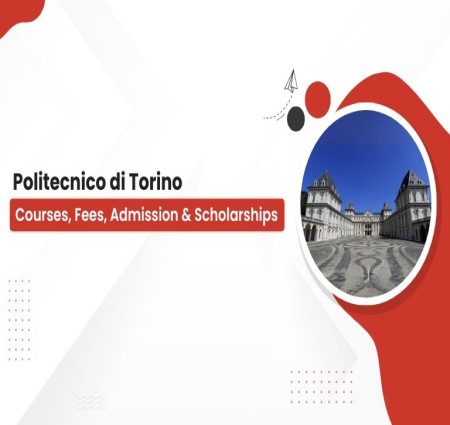
How to Apply to Politecnico Di Torino University? Complete Guide

How to Apply to Politecnico Di Torino University? Complete Guide
Planning to study in Italy starts with finding the right course and understanding the admission process. For students interested in engineering, architecture, design, and technology, knowing how the university application works is important. This guide explains the main steps students should follow when applying to Politecnico Di Torino University. About Politecnico Di Torino University Politecnic... Read More
Planning to study in Italy starts with finding the right course and understanding the admission process. For students interested in engineering, architecture, design, and technology, knowing how the university application works is important. This guide explains the main steps students should follow when applying to Politecnico Di Torino University. About Politecnico Di Torino University Politecnico Di Torino University is a well-known public university in Italy with a strong focus on engineering, architecture, design, and technology. Students can choose from undergraduate, postgraduate, and research programs across different fields. The university provides opportunities for students to study in an international academic environment and develop knowledge related to their chosen subject. Before applying, students should check the course details, eligibility criteria, tuition fees, language requirements, admission deadlines, and available scholarship options for their selected program. 1. Choose Your Course The first step is to decide which program you want to study. The university offers different programs at undergraduate and postgraduate levels. Before selecting a course, check: Course structure and subjects Entry requirements Duration of the program Language of instruction Tuition fees Application deadlines Required entrance tests, if applicable Choose a course that matches your previous education and future career plans. 2. Check the Admission Requirements Every course may have different admission requirements. Students should carefully review the official requirements for their chosen program before starting the application. Depending on the course and level of study, applicants may need: Academic certificates Marksheets or transcripts Valid identification documents Proof of language proficiency Curriculum vitae Motivation letter or other supporting documents Portfolio for selected programs Entrance test results, where required Make sure your documents meet the university's requirements before submitting them. 3. Check Application Deadlines Application deadlines are an important part of the admission process. Different courses or intakes may have different dates. Students should check the official university website regularly for the latest application dates. Applying early gives you enough time to arrange documents, correct any errors, and complete other requirements. Avoid waiting until the last date because some documents may take time to prepare. 4. Create an Application Once you have selected your course and checked the requirements, you can begin the application process. Enter your personal, academic, and contact details carefully. Make sure the information matches your official documents. Upload the required documents in the correct format and check everything before submitting the application. If an application fee applies to your selected program, follow the payment instructions provided by the university. 5. Prepare Your Academic Documents Proper documentation is an important part of the application. Students should keep clear copies of their academic records and other required documents ready. Depending on the program, documents may need to be translated or prepared in a specific format. Check the university's instructions rather than assuming which documents are required. It is also useful to keep both digital and physical copies of important documents for future admission and visa procedures. 6. Check Language Requirements Language requirements depend on the selected program. Some courses may require proof of English proficiency, while others may have different language requirements. Students should check the specific requirements for their chosen course before applying. If a language test is required, make sure you take the test early enough to receive the result before the application deadline. Meeting the language requirement can help avoid delays during the admission process. 7. Look for Scholarships The cost of studying abroad is an important consideration for students. Applicants should research Politecnico Di Torino University Scholarships and check whether they meet the eligibility requirements. Scholarship conditions can vary depending on the program and type of financial support. Students should check: Eligibility criteria Application deadlines Required documents Financial requirements Academic conditions Scholarship benefits Do not wait until after admission to start researching scholarships, as some funding applications may have separate deadlines. 8. Wait for the Admission Decision After submitting your application, the university will review it according to its admission process. Students should regularly check their application status and email for updates. If the university asks for additional information or documents, provide them within the specified time. Once you receive an admission decision, carefully read the instructions about accepting the offer, paying any required fees, and completing the next steps. 9. Prepare for the Student Visa After receiving admission, international students may need to complete the student visa process. Visa requirements can include an admission letter, proof of funds, insurance, accommodation details, passport, and other supporting documents. The exact requirements can change, so students should check the latest information from the relevant Italian authorities before applying. Start the visa process as early as possible to allow enough time for document preparation and processing. 10. Plan Your Accommodation and Travel Once admission and visa arrangements are underway, students can start planning their accommodation and travel. Consider factors such as: Distance from the university Monthly rent Transport facilities Food and daily expenses Student accommodation options Health insurance Travel arrangements Preparing these details early can make the transition to Italy easier. How YES Italy Can Help YES Italy provides guidance to students planning to study abroad and can assist with different stages of the admission process. Students can seek guidance on course selection, university applications, document preparation, scholarship information, and visa-related requirements. The team can help students understand the steps involved and prepare according to their academic background and study plans. For students considering Politecnico Di Torino University, getting guidance can be useful when reviewing course requirements, preparing documents, understanding application procedures, and planning the next steps after receiving admission. Students should always check the latest official university requirements and make sure the information they submit is accurate. Final Thought Applying to an Italian university requires proper planning, accurate documents, and attention to deadlines. From choosing the right course and checking eligibility to applying for scholarships and preparing for a visa, every stage needs careful preparation. Students should start early, keep their documents organised, and regularly check official information for updates. If you need assistance during the process, YES Italy can provide guidance at different stages of your overseas education journey. With proper preparation, students can approach their university application with a clear understanding of what needs to be done.
Read Full Blog
kasak.yesitaly@gmail.com 24 Sep 2026 144 Views

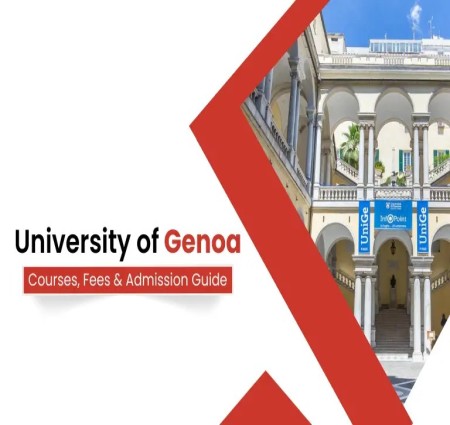
What Are the Admission Requirements for University of Genoa ?

What Are the Admission Requirements for University of Genoa ?
Students planning to study in Italy often have questions about university admission requirements, eligibility, documents, fees, and scholarships. Understanding these requirements before applying can make the process easier and help students prepare everything on time. The University of Genoa offers different undergraduate, postgraduate, and other study programmes, and requirements can vary dependi... Read More
Students planning to study in Italy often have questions about university admission requirements, eligibility, documents, fees, and scholarships. Understanding these requirements before applying can make the process easier and help students prepare everything on time. The University of Genoa offers different undergraduate, postgraduate, and other study programmes, and requirements can vary depending on the course. Therefore, students should always check the specific requirements of their chosen programme before starting their application. What Are the Basic Admission Requirements? The admission requirements depend mainly on the level and type of programme you want to study. For an undergraduate programme, students generally need to have completed their secondary education or an equivalent qualification that allows them to enter higher education. For a master's programme, applicants normally need a relevant bachelor's degree or equivalent qualification. Some programmes may also have specific academic requirements related to previous subjects or credits. Students should check the programme details carefully because eligibility can differ from one course to another. Academic Qualifications Academic qualifications are one of the most important parts of a university application. Students need to provide proof of their previous education. Depending on the programme, applicants may be asked to submit: School certificates for undergraduate applications Bachelor's degree certificates for master's applications Academic transcripts or marksheets Proof of completed qualifications Other academic documents requested by the programme Students should make sure that their documents are complete and accurate before submitting their application. Language Requirements Language requirements can depend on the course and the language in which the programme is taught. For programmes taught in English, students may need to provide proof of English language proficiency if required by the university or specific programme. Some courses may have their own accepted tests or minimum score requirements. For programmes taught in Italian, applicants may need to meet the relevant Italian language requirement. Since language requirements can change between programmes, students should check the official course information before applying. Entrance Tests and Additional Requirements Some programmes may have additional admission requirements. These can include entrance tests, interviews, portfolio submissions, or other assessments. For example, certain academic fields may require students to demonstrate specific knowledge or skills before admission. Students should check whether their selected programme has: An entrance examination An interview A portfolio Subject-specific requirements Minimum academic scores Additional application documents Knowing these requirements in advance gives students enough time to prepare. Documents Required for Application Preparing documents early is an important part of the admission process. Depending on the course, students may need documents such as: Valid passport Academic certificates Academic transcripts Degree certificate, where applicable Language proficiency certificate, if required Curriculum vitae, if requested Motivation letter, if required Passport-size photographs, where applicable Other programme-specific documents Documents may also need translation or legalisation depending on the requirements. Students should follow the instructions given for their selected programme. Application Process After checking eligibility and preparing the required documents, students can proceed with the application process. The general process may involve: Selecting a suitable course. Checking the admission requirements. Preparing academic and personal documents. Completing the application form. Uploading or submitting the required documents. Paying an application fee, if applicable. Waiting for the admission decision. Completing further steps after receiving an offer. Application deadlines can vary, so students should check the dates for their chosen programme and intake. Tuition Fees and Other Expenses Understanding the total cost of studying is important before applying. Students should consider tuition fees as well as accommodation, food, transportation, insurance, and other personal expenses. The amount students pay can depend on the programme and their individual circumstances. Applicants should check the latest fee information for their selected course rather than relying on general estimates. Planning a budget early can help students understand how much financial support they may need during their studies. University of Genoa Scholarships Scholarships can help eligible students manage the cost of higher education. University of Genoa Scholarships may be an option for students who meet the relevant eligibility conditions. Students should check the available scholarship opportunities, application deadlines, eligibility criteria, and required documents. Some financial support may consider academic performance, financial circumstances, or other conditions. It is important to remember that admission and scholarship applications can have separate requirements and deadlines. Students should carefully review both before submitting their applications. What Should International Students Check? International students should pay attention to a few additional requirements before applying. These may include academic document recognition, language requirements, visa-related documents, and proof of financial resources where applicable. Students should also check whether their selected course has specific requirements for international applicants. Keeping all documents organised can make it easier to complete the application and handle later formalities. How Can YES Italy Help? YES Italy helps students who are planning higher education in Italy. The team can guide students through different stages of the admission process, including course selection, university research, document preparation, application procedures, scholarship information, and other study-related requirements. Students can discuss their academic background and future plans with the team to understand which study options may suit them. YES Italy can also help students understand the documents and steps involved in preparing an application. The purpose is to give students clear information so they can approach their study plans with better preparation. Things to Check Before Applying Before submitting an application, students should make sure they have: Checked the course eligibility requirements Prepared all required academic documents Reviewed language requirements Checked application deadlines Understood tuition fees Researched scholarship opportunities Checked additional entrance requirements Reviewed the application procedure Kept copies of submitted documents Taking care of these points can help reduce last-minute confusion. Final Thought Applying to a university abroad involves several steps, and understanding the requirements beforehand can make the process much easier to manage. Students should check the specific requirements of their chosen programme because eligibility, documents, language criteria, and deadlines may vary. For students planning to apply to the University of Genoa, early preparation is especially useful. Researching admission requirements, tuition fees, scholarships, and documentation in advance can help students stay organised and move through the application process with greater clarity.
Read Full Blog
kasak.yesitaly@gmail.com 23 Sep 2026 97 Views

Sda Bocconi School of Management: Admission,Courses and Fees

Sda Bocconi School of Management: Admission,Courses and Fees
Students planning to study management abroad often look for information about courses, admission requirements, fees, scholarships, and career-focused programs. Sda Bocconi School of Management is an option for students interested in business and management education in Italy. Before applying, it is important to understand the available programs, eligibility requirements, application process, tuiti... Read More
Students planning to study management abroad often look for information about courses, admission requirements, fees, scholarships, and career-focused programs. Sda Bocconi School of Management is an option for students interested in business and management education in Italy. Before applying, it is important to understand the available programs, eligibility requirements, application process, tuition fees, and funding options. This guide covers the basic information students should know before planning their application. About Sda Bocconi School of Management Sda Bocconi School of Management is the graduate business school of Bocconi University. It offers management education for students and professionals through different programs covering areas of business, management, finance, marketing, entrepreneurship, and related subjects. The school offers programs designed for different stages of a student's academic or professional journey. Therefore, students should select a course based on their previous education, work experience where required, career interests, and future plans. What Courses Are Available? Sda Bocconi School of Management offers different types of management programs. The course options can vary depending on the academic year and admission cycle. Students may find programs related to areas such as: Business management Finance Marketing Entrepreneurship International management Strategy Leadership Digital business Executive education Each program has its own structure, duration, eligibility requirements, and application process. Students should check the specific course page before applying rather than relying on general information. Admission Requirements Admission requirements depend on the program a student chooses. Some programs may require an undergraduate degree, while others can have additional academic or professional requirements. Students should check: Educational qualifications Academic transcripts English language requirements, where applicable Work experience requirements, if applicable Entrance tests or assessment requirements Application deadlines Required supporting documents Some programs may also require a CV, motivation letter, references, or other application materials. Students should prepare these documents early so there is enough time to review and submit everything before the deadline. How Does the Application Process Work? The application process generally begins with selecting a suitable program and checking its eligibility requirements. Students can then prepare the required documents and complete the application according to the instructions for that particular program. A typical preparation process may include: Choosing the right program Checking eligibility requirements Preparing academic and personal documents Completing the application form Submitting supporting documents Completing any required test or interview Waiting for the admission decision The exact steps can differ between programs, so students should always follow the instructions provided for their chosen course. Sda Bocconi School of Management Fees Fees are an important part of planning for higher education abroad. The tuition fee at Sda Bocconi School of Management depends on the specific program selected. Students should not look at tuition fees alone when preparing their budget. Other expenses may include: Accommodation Food Transportation Insurance Study materials Visa-related expenses Personal expenses The total cost can therefore vary from one student to another. Students should check the official fee information for their selected program because fees can change between academic years and programs. Sda Bocconi School of Management Scholarships Financial support can be important for students planning to study abroad. Sda Bocconi School of Management Scholarships may be available depending on the program, eligibility conditions, and funding options offered during a particular admission cycle. Students interested in scholarships should check: Eligibility criteria Application deadlines Required documents Academic requirements Financial information requirements Expenses covered by the scholarship Terms and conditions Scholarship availability and conditions can change, so students should review the latest information before applying. Is Sda Bocconi Suitable for Indian Students? Indian students interested in management education can explore programs based on their academic qualifications and career plans. Before applying, students should consider the course content, eligibility requirements, tuition fees, language requirements, accommodation costs, and available financial support. It is also important to understand the visa requirements and other formalities involved in studying in Italy. Preparing these details in advance can make the overall planning process easier. What Documents Should Students Prepare? The required documents depend on the program, but students may need documents such as: Academic certificates Academic transcripts Passport CV or resume Motivation letter English language test results, where required Recommendation letters, where required Work experience documents, where applicable Students should check the exact document list for their selected program and make sure all information is accurate before submission. How YES Italy Can Help YES Italy helps students who are planning to pursue higher education in Italy. Students can discuss their academic background, preferred management program, budget, and future plans with the team. YES Italy can provide guidance related to university and course selection, application preparation, documentation, scholarship information, and visa procedures. Students can also get help understanding the different stages of the admission process and the documents that may be required. However, applicants should always check the latest official information provided by the institution and relevant authorities before making final decisions or submitting documents. Final Thought Choosing a management program abroad requires careful planning. Students should look beyond the course name and understand the curriculum, admission requirements, fees, scholarship options, and other expenses before applying. Sda Bocconi School of Management offers different management education options, but the right program depends on each student's academic background, interests, experience, and career plans. Students should review the latest official information, prepare their documents early, and understand the complete cost of studying before starting their application. YES Italy can assist students with the planning and application process while helping them understand the different steps involved in pursuing education in Italy.
Read Full Blog
kasak.yesitaly@gmail.com 22 Sep 2026 93 Views

How to Get Scholarship Opportunities in Italy for Students?

How to Get Scholarship Opportunities in Italy for Students?
Studying abroad is a dream for many students who want to gain international exposure and build a strong academic foundation. Italy is a popular destination for students looking for quality education and different study options. However, tuition fees, accommodation, and daily expenses can make studying abroad challenging for families. Scholarships can help students manage some of these expenses and... Read More
Studying abroad is a dream for many students who want to gain international exposure and build a strong academic foundation. Italy is a popular destination for students looking for quality education and different study options. However, tuition fees, accommodation, and daily expenses can make studying abroad challenging for families. Scholarships can help students manage some of these expenses and plan their education more effectively. If you are searching for Scholarship Opportunities in Italy, understanding the eligibility criteria, application process, and available funding options is an important first step. In this guide, we will explain how students can find and apply for scholarships in Italy, what documents they may need, and how YES Italy can help with the study abroad process. Why Should Students Apply for Scholarships in Italy? The cost of studying abroad depends on several factors, including the university, selected course, accommodation, and lifestyle. Financial support can help eligible students manage their educational expenses. Scholarships in Italy may offer different types of assistance depending on the scholarship programme. Some opportunities are based on financial circumstances, while others may consider academic performance or specific eligibility conditions. Scholarships can help students with: Tuition fees Accommodation expenses Meals and daily living costs Other educational expenses Financial support during their studies The benefits differ from one scholarship to another. Students should carefully review the official terms before applying. 1. Understand the Different Types of Scholarships The first step towards finding a suitable scholarship is understanding the available categories. Italy has different financial support programmes for domestic and international students. Regional Scholarships Regional student welfare organisations may offer financial support based on financial circumstances and other eligibility conditions. These scholarships can include benefits related to accommodation, meals, or financial assistance. Requirements and application procedures differ depending on the region and applicable rules. University Scholarships Some universities offer scholarships or financial support for eligible students. The availability, selection criteria, and benefits depend on the institution and programme. Students should visit the official university website to check whether scholarships are available for their selected course. Merit-Based Scholarships Certain scholarships consider academic performance or other achievements. Applicants may need to meet specific academic conditions and submit supporting documents. Students should check the scholarship's selection criteria before applying. 2. Check Your Eligibility Every scholarship has its own requirements. Before submitting an application, students should confirm whether they meet the conditions. Common eligibility factors may include: Academic qualifications Admission or enrolment status Financial circumstances Nationality or residency conditions Course and university requirements Required supporting documents For example, a scholarship intended for international students may have different conditions from one designed for students who meet regional financial support criteria. Students should not assume that admission to a university automatically qualifies them for every scholarship. Reviewing the official eligibility information is essential. 3. Research Scholarship Opportunities Early One of the most important steps is starting your research before the application deadline. Scholarship applications may require documents that take time to prepare. Students should research: Universities offering their preferred courses. Scholarships available for international students. Eligibility requirements. Application deadlines. Required financial and academic documents. Scholarship benefits and conditions. If you are planning to study in Italy, begin researching scholarships alongside your university application. Some funding programmes may have deadlines separate from the university admission process. Missing a scholarship deadline could mean losing the opportunity to apply during that cycle. 4. Prepare the Required Documents Documents play an important role in scholarship applications. The exact requirements depend on the scholarship provider and the applicant's circumstances. Commonly requested documents may include: Valid passport Academic certificates Marksheets or transcripts University admission or enrolment documents Proof of financial circumstances, where required Family or income-related documents, where applicable Other supporting paperwork Some scholarships may require documents in a particular format or language. Applicants should follow the official instructions and arrange translations or certifications when necessary. It is important to provide accurate information. Incorrect or incomplete documents can affect the application process. 5. Explore Scholarships Through Your University Students should check scholarship information provided by their chosen university. Universities may publish details about available financial support, eligibility requirements, and application deadlines. For example, students interested in studying at the University of Camerino can explore the university's official scholarship and student support information. When researching university scholarships, check: Who can apply Whether international students are eligible Application deadlines Required documents Available financial benefits Conditions for receiving support The availability of scholarships can change between academic years. Always use current official information when preparing your application. 6. Understand Financial Requirements A scholarship may cover some expenses but not necessarily the entire cost of studying abroad. Students should understand exactly what financial support is offered. Before applying, consider: Remaining tuition fees Accommodation costs Food and transportation Travel expenses Visa-related costs Personal expenses Preparing a budget can help you understand how much money you may need beyond the scholarship. Students should also avoid relying on unverified claims about guaranteed scholarships or completely free education. Funding depends on eligibility, selection, and the terms of the relevant programme. 7. Follow the Application Process Carefully Once you find a suitable scholarship, read the application instructions carefully. Some scholarships require online applications, while others may involve university-based procedures. A typical process may include: Step 1: Find a Suitable Scholarship Search through official university, regional, or scholarship provider websites. Step 2: Review Eligibility Confirm that your academic background and personal circumstances meet the requirements. Step 3: Collect Documents Prepare the necessary certificates, financial records, and other paperwork. Step 4: Complete the Application Fill in the application form accurately and upload the requested documents. Step 5: Submit Before the Deadline Check that all required information has been provided before submitting your application. Step 6: Monitor Updates Check your email or application portal for notifications, additional document requests, or results. The exact procedure varies between scholarship programmes, so applicants should follow the instructions provided by the relevant organisation. 8. Avoid Common Scholarship Mistakes Students sometimes miss scholarship opportunities because they overlook important details during the application process. Here are some mistakes to avoid: Applying Without Checking Eligibility: Make sure you meet the scholarship requirements before submitting your application. Missing Deadlines: Keep a record of all university and scholarship deadlines. Submitting Incomplete Documents: Review the document checklist carefully. Ignoring Official Sources: Verify scholarship information through the relevant university or provider. Assuming Admission Guarantees Funding: University admission and scholarship approval may involve separate procedures. Taking time to review your application can help you avoid unnecessary problems. Scholarship Opportunities in Italy for Indian Students Indian students planning to pursue higher education in Italy can explore different financial support options. The eligibility and availability of scholarships depend on the university, programme, and applicable funding rules. Students should consider their academic qualifications, financial circumstances, and preferred course when researching funding options. Before applying, Indian applicants should check whether they need specific financial documents, translations, or other paperwork. Requirements can differ between scholarship providers. Researching early gives students more time to understand the application process and prepare the necessary documents. How YES Italy Can Help Students YES Italy helps students explore higher education opportunities in Italy and understand the steps involved in studying abroad. Students who are interested in Scholarships in Italy can connect with YES Italy to discuss their academic background, preferred courses, and university options. The company can help students understand the study abroad process, including university selection and application-related requirements. Depending on the student's needs, guidance may include information about scholarship options and the documents involved. Students should discuss the services offered, applicable charges, and the support available before proceeding. YES Italy can be a point of guidance for students who want to explore education opportunities in Italy. However, applicants should always verify scholarship eligibility, deadlines, and official requirements through the relevant university or funding provider. Final Thought Finding suitable financial support requires research, preparation, and attention to eligibility requirements. Scholarship Opportunities in Italy can help eligible students explore ways to manage their higher education expenses. Before applying, check the official scholarship details, prepare your documents, and keep track of deadlines. Do not rely on unverified promises about scholarship approval or guaranteed funding. If you are planning to study in Italy, YES Italy can help you understand your study options and the steps involved in the application process. With proper planning and accurate information, you can work towards your academic goals while making informed decisions about your education expenses.
Read Full Blog
kasak.yesitaly@gmail.com 21 Sep 2026 107 Views

Study Abroad Consultants in Pune: Complete Student Guide

Study Abroad Consultants in Pune: Complete Student Guide
Studying abroad is a dream for many students who want to pursue quality education, explore new opportunities, and build an international career. However, choosing the right university, understanding admission requirements, and completing visa formalities can be challenging. This is where study abroad consultants can help. If you are planning to study in Italy, getting the right guidance can make y... Read More
Studying abroad is a dream for many students who want to pursue quality education, explore new opportunities, and build an international career. However, choosing the right university, understanding admission requirements, and completing visa formalities can be challenging. This is where study abroad consultants can help. If you are planning to study in Italy, getting the right guidance can make your journey more organised. This guide explains how Study Abroad Consultants in Pune can support students and what you should consider before choosing a consultant. Why Choose Study Abroad Consultants in Pune? Planning international education involves several important decisions. Students need to select a suitable course, check university eligibility, prepare documents, and understand the admission process. Study Abroad Consultants in Pune help students learn about these requirements and explore available study options. Consultants can provide assistance with: University and course selection Admission requirements Application preparation Document verification Visa guidance Scholarship information Pre-departure support The services offered may differ between consultants, so students should understand what is included before making a decision. Why Study in Italy? Italy is an attractive destination for students interested in higher education, cultural experiences, and international exposure. Its universities offer programmes in fields such as engineering, business, architecture, economics, and other academic disciplines. Students considering Italy should research the course structure, language requirements, tuition fees, and admission criteria before applying. Some programmes are taught in English, while others may require knowledge of Italian. Italy can be considered by students who want to experience a different education system while developing their academic and personal skills. How Study Abroad Consultants in Pune for Italy Help Students Students searching for Study Abroad Consultants in Pune for Italy often want support with the complete application process. A consultant can explain the steps involved and help applicants understand the requirements of their chosen university. 1. University and Course Selection Selecting the right course is one of the first steps in studying abroad. Consultants can help students explore universities and programmes based on their academic qualifications, interests, and career plans. Students should compare course subjects, duration, admission criteria, and future opportunities before selecting a programme. 2. Admission Application Support Every university has its own application requirements and deadlines. Consultants can help students understand the application procedure, prepare necessary documents, and follow the instructions provided by the institution. Applicants should carefully review all information before submitting their applications. 3. Document Preparation Proper documentation is important for university admission. Depending on the course and university, students may need academic certificates, transcripts, identification documents, language test results, and other supporting paperwork. Consultants can explain the documents required and help students organise their applications. Requirements may vary, so applicants should always confirm the details with their university. 4. Visa Guidance After receiving admission, students may need to complete the relevant visa process. Consultants can explain the general documentation and steps involved in preparing a student visa application. Financial documents, accommodation details, and other requirements may apply depending on the applicant's circumstances. Students should refer to official visa information for the latest instructions. What Should Students Check Before Choosing a Consultant? Choosing a consultant requires some research. Students should not make a decision based only on advertisements or promises of admission. Here are some important points to consider: Experience: Check whether the consultant has experience supporting students applying to Italian universities. Services: Understand whether the consultant provides course selection, application assistance, visa guidance, and other relevant services. Transparency: Ask about service charges, additional costs, and the steps involved in the process. Communication: Choose a consultant that explains requirements clearly and responds to questions. University Information: Verify course details and admission requirements through official university sources. Taking time to compare services can help students choose guidance that suits their needs. Admission Requirements for Studying in Italy Admission requirements depend on the university, course, and academic level. Students should check the conditions applicable to their chosen programme before preparing an application. Common requirements may include: Academic qualifications and transcripts Valid identification documents Language proficiency certificates, where required Statement of purpose, if applicable Letters of recommendation, where required Other course-specific documents Some programmes may also require entrance examinations or additional assessments. Students should review the official admission information carefully to understand the requirements. Cost of Studying in Italy Budget planning is an important part of studying abroad. Students should consider tuition fees, accommodation, food, transportation, insurance, and other personal expenses. The overall cost depends on the university, course, location, and lifestyle. Some students may also be eligible for scholarships or financial assistance, depending on the applicable criteria. Before applying, prepare an estimated budget and ask for a clear breakdown of expected expenses. This can help you plan your finances and avoid unexpected costs. Why Consider YES Italy? YES Italy helps students explore study opportunities in Italy and understand the steps involved in the admission process. Students looking for Study Abroad Consultants in Pune for Italy can connect with YES Italy to learn about university options, course requirements, and application procedures. The team can assist students in understanding their academic choices and preparing for the various stages of studying abroad. Depending on the student's requirements, guidance may include university selection, application support, document preparation, and visa-related information. Students should discuss their academic background, preferred course, and budget with the team to understand the available options. It is also important to confirm service details, fees, and university-specific requirements before proceeding. By gathering the right information early, students can organise their preparation and make decisions based on their educational goals. Final Thought Studying in Italy requires careful planning, research, and timely preparation. Study Abroad Consultants in Pune can help students understand the process and explore suitable academic opportunities. If Italy is your preferred destination, consider your course, budget, university requirements, and future goals before making a decision. With YES Italy, students can seek guidance on their study plans and learn about the steps involved in applying to Italian universities. Start your research early, verify important information, and prepare for your international education journey with a clear plan.
Read Full Blog

kasak.yesitaly@gmail.com 19 Sep 2026 132 Views

MIM in Italy: Admission Process Scholarships Study Costs

MIM in Italy: Admission Process Scholarships   Study Costs
Are you planning to pursue a management degree abroad after graduation? MIM in Italy is an option for students who want to study business, management, and related subjects in an international academic environment. A Master in Management can help students develop knowledge in areas such as marketing, finance, business strategy, and leadership. Italy offers different management programs, so students... Read More
Are you planning to pursue a management degree abroad after graduation? MIM in Italy is an option for students who want to study business, management, and related subjects in an international academic environment. A Master in Management can help students develop knowledge in areas such as marketing, finance, business strategy, and leadership. Italy offers different management programs, so students should compare universities, tuition fees, admission requirements, and scholarship opportunities before making a decision. This guide explains the admission process, scholarships, and study costs to help students understand how to plan their management education in Italy. What is MIM in Italy? MIM stands for Master in Management. It is a postgraduate degree designed to provide students with knowledge of business and management. Depending on the university and course, students may study subjects such as: Business strategy Marketing management Finance Entrepreneurship International business Organisational management The course structure varies between universities. Some programs are designed for students with limited work experience, while others may have specific academic or professional requirements. Students should check the course details before applying to ensure the program matches their educational background and career plans. Admission Process for Master in Management Italy The admission process for Master in Management Italy programs depends on the university and selected course. Students should check the requirements before preparing their applications. Here is a general admission process: 1. Select Your University and Course Research universities offering management programs. Compare course content, teaching language, tuition fees, and career-related subjects. 2. Check Eligibility Requirements Many master's programs require a recognized bachelor's degree. However, academic background, language proficiency, and other requirements vary by university. Some programs may also require entrance tests or interviews. 3. Prepare Required Documents Common documents may include: Bachelor's degree and academic transcripts Passport English language certificate, if required Curriculum vitae Statement of purpose Other course-specific documents Check the official university website for the exact requirements. 4. Submit Your Application Complete the application form through the university's official portal. Some universities may charge an application fee. 5. Receive Your Admission Decision After evaluation, the university will communicate the admission result. Students who receive an offer should follow the enrollment instructions and prepare for the next steps. 6. Apply for a Student Visa Non-EU students generally need to apply for an appropriate student visa before traveling to Italy. Visa requirements should be checked through the relevant official authorities. Study Costs for MIM in Italy The cost of studying depends on the university, course, and student's individual circumstances. Tuition Fees As a general reference, public university tuition fees in Italy are approximately €900–€4,000 per year, while private institutions may charge considerably more. Actual fees for a particular MIM program must be confirmed through the university. Living Expenses Students should also plan for accommodation, food, transportation, and personal expenses. General student living costs in Italy are estimated at around €700–€1,100 per month, although the actual amount depends on the location and lifestyle. Creating a budget before applying can help students understand their expected expenses. Scholarships for MIM in Italy Scholarships can help eligible students manage their education costs. Students planning MIM in Italy can explore university scholarships, regional financial support, and government scholarship programs. University Scholarships Some universities offer scholarships or tuition reductions based on academic merit, financial circumstances, or other eligibility conditions. Students should check the official university scholarship pages for current opportunities. Regional Scholarships Italy also offers regional scholarships for eligible students. These may be based on income and academic requirements. The conditions and benefits vary according to the relevant regional program. MAECI Scholarships The Italian Ministry of Foreign Affairs offers scholarships for eligible foreign students under its applicable programs. Students should check the official scholarship announcement to determine whether their chosen course qualifies. For the 2026–2027 academic year, the official MAECI application deadline was March 26, 2026. Scholarship dates and eligibility requirements should always be checked against the relevant academic year's announcement. Important: Scholarships are not automatically available to every student. Eligibility, selection, and funding depend on the specific program. Why Choose a Master in Management Italy Program? Students choose management programs for different reasons. Some want to develop business knowledge, while others wish to explore international career opportunities. Potential areas of learning include: Business administration Marketing Finance International management Entrepreneurship Leadership The subjects and career opportunities depend on the university and program. Students should compare the curriculum and consider whether it matches their long-term goals. About YES Italy YES Italy helps students explore higher education opportunities in Italy and understand the admission process. The company provides guidance related to university selection, courses, scholarships, and application requirements. Students can discuss their academic background and career interests to learn about suitable study options. YES Italy assists students in understanding the steps involved in planning their overseas education journey. Before proceeding, students should confirm the services offered, applicable fees, and university-specific requirements. If you are interested in management studies, YES Italy can help you explore relevant courses and understand the information required for your application. Final Thought Planning your management education abroad requires attention to admission requirements, tuition fees, scholarships, and living expenses. MIM in Italy offers students an opportunity to explore postgraduate management studies, but selecting the right course requires careful research. YES Italy can help students understand their study options and prepare for the application process. Before making a decision, review official university information and choose a program that matches your academic background, budget, and career goals.
Read Full Blog
kasak.yesitaly@gmail.com 18 Sep 2026 107 Views

How to Apply for Italian Universities as an Indian Student?

How to Apply for Italian Universities as an Indian Student?
Studying abroad is a goal for many Indian students who want to pursue higher education and explore international opportunities. Italy offers undergraduate and postgraduate courses in various academic fields, including programs taught in English. If you are planning to Study in Italy, understanding the university application process is an important first step. From selecting a course to preparing d... Read More
Studying abroad is a goal for many Indian students who want to pursue higher education and explore international opportunities. Italy offers undergraduate and postgraduate courses in various academic fields, including programs taught in English. If you are planning to Study in Italy, understanding the university application process is an important first step. From selecting a course to preparing documents and applying for a student visa, students need to complete several stages. This guide explains how Indian students can apply to Italian universities and how YES Italy can help them understand their study options. Why Study in Italy? Italy is home to universities offering courses across different academic disciplines. Indian students can explore bachelor's and master's programs based on their qualifications, interests, and career goals. Some students choose Italy because they are interested in: English-taught degree programs Undergraduate and postgraduate courses Public and private universities Scholarship opportunities International academic experience Before selecting a university, students should compare courses, admission requirements, tuition fees, and living expenses. The right choice depends on your academic background and individual plans. Step 1: Choose Your Course and University The first step is to decide what you want to study. Italian universities offer programs in subjects such as business, engineering, economics, computer science, humanities, and other fields. Students should research courses that match their previous education and career interests. When comparing universities, check: Available courses Teaching language Academic eligibility Tuition fees Admission deadlines Scholarship options Indian students should visit the official university website to confirm whether their preferred program is available and whether they meet the entry requirements. Step 2: Check Admission Requirements Every university and course has its own admission criteria. Students must check these requirements before preparing their applications. Requirements for Bachelor's Programs Students who have completed Class 12 can explore undergraduate courses in Italy. The university may have specific requirements related to academic qualifications, subjects studied, and language proficiency. Requirements for Master's Programs Students applying for a master's degree generally need a relevant bachelor's qualification. Some programs may require specific subjects, academic credits, or additional documents. Other requirements may include: Academic transcripts Proof of language proficiency Course-specific entrance tests Additional qualifications The requirements vary by program, so applicants should refer to the official course guidelines. Step 3: Check English Language Requirements Many Indian students prefer courses taught in English. If you plan to Study in Italy for Indian Students programs taught in English, you should check the language requirements of your selected university. Some institutions accept recognised English language tests, while others may accept alternative proof of English proficiency. Possible requirements include: IELTS TOEFL Other accepted language certificates Proof of previous education in English, where applicable Not every university follows the same rules. Check the specific language requirements before applying or booking an English test. Step 4: Prepare the Required Documents Document preparation is an important part of the university application process. Students should collect the required paperwork according to their chosen course. Common documents may include: Valid passport Class 10 and Class 12 certificates Bachelor's degree and transcripts, for master's applicants English language certificate, if required Academic transcripts Personal statement, where applicable Other course-specific documents Some documents may require translation, legalisation, or additional verification. The exact requirements depend on the university and the student's qualifications. Always check the official application instructions. Step 5: Submit Your University Application Once you have selected your course and prepared the documents, the next step is to submit your application. Universities may use their own application portals or other designated systems. The process depends on the institution and program. Students should: Create an application account, if required Enter accurate personal and academic information Upload the requested documents Review the application carefully Submit before the deadline Save confirmation details Some courses may require an application fee or additional selection process. Students should review the instructions before completing their submission. Step 6: Understand Admission Deadlines Application deadlines vary between universities and courses. Some programs may have multiple application rounds, while others follow fixed schedules. Indian students should check the deadlines for: University applications Entrance examinations Scholarship applications Enrolment Visa-related procedures Applying early can give students more time to prepare documents and address any issues. Do not rely on deadlines from previous years. Always check the latest dates on the official university website. Step 7: Explore Scholarships and Tuition Fees Education expenses are an important consideration when planning to study abroad. Indian students should understand tuition fees and living costs before selecting a university. Italy offers different scholarship and financial support opportunities, depending on the university, course, and eligibility criteria. Students should research: Tuition fees Scholarship eligibility Accommodation costs Daily living expenses Transportation Other education-related charges Scholarship conditions vary, and financial support is not guaranteed for every applicant. Check the official scholarship requirements and deadlines. Step 8: Apply for an Italian Student Visa After receiving the necessary admission documents, eligible Indian students may need to apply for an Italian student visa. The visa process depends on the student's circumstances and current requirements. Students should consult the relevant Italian embassy or consulate for official instructions. Documents may include: Admission confirmation Valid passport Financial proof Accommodation information Health insurance Other required documents Students should prepare accurate paperwork and follow the official visa application process. Admission to a university does not automatically guarantee visa approval. How Can YES Italy Help Indian Students? YES Italy helps students explore higher education opportunities in Italy. Indian students who want to understand the university application process can contact the company for guidance regarding courses, admission requirements, and application preparation. Students often have questions about selecting a university, understanding eligibility criteria, preparing documents, and exploring scholarship options. YES Italy can help students understand these areas and explore study options according to their academic background and goals. Students should confirm the exact services, fees, and application support offered by the company before proceeding. It is also important to verify university information through official sources. Final Thought For Indian students, applying to Italian universities requires planning, document preparation, and an understanding of admission requirements. From choosing a course to applying for a visa, every step deserves careful attention. If you are planning to Study in Italy for Indian Students, YES Italy can help you explore available study options and understand the application process. Research your preferred university, check official requirements, and prepare your documents on time. A clear understanding of the process can help you move forward with your plans for higher education in Italy.
Read Full Blog
kasak.yesitaly@gmail.com 17 Sep 2026 135 Views

How to Get Admission in Italy After Graduation? Complete Guide

How to Get Admission in Italy After Graduation? Complete Guide
Planning to study in Italy after graduation can be a good option for students who want to continue their education with a Master's degree or another higher-level programme. The process involves choosing the right course, checking eligibility, preparing documents, applying to the university, and completing the required visa formalities. If you are wondering about admission in Italy after graduation... Read More
Planning to study in Italy after graduation can be a good option for students who want to continue their education with a Master's degree or another higher-level programme. The process involves choosing the right course, checking eligibility, preparing documents, applying to the university, and completing the required visa formalities. If you are wondering about admission in Italy after graduation, the first step is to understand the requirements of your chosen university and programme. Italian universities set their own course-specific entry conditions, so requirements can differ from one programme to another. Can You Study in Italy After Graduation? Yes. Students who already hold a Bachelor's degree can generally apply for second-cycle programmes, which are equivalent to Master's-level study. These programmes usually provide more specialised knowledge in a chosen field. Students should select a programme related to their previous education or one for which they meet the stated academic requirements. What Are the Admission in Italy Requirements After Graduation? The Admission in Italy Requirements depend on the university and course you choose. However, students applying for Master's-level programmes may commonly need: A recognised Bachelor's degree Academic transcripts or marksheets Proof of previous education Passport or valid identification Proof of language proficiency, if required Course-specific documents Statement of purpose or other supporting documents, where requested Additional documents for assessment of a foreign qualification For international qualifications, the university decides how the foreign degree should be evaluated and which supporting documents are required. Step 1: Choose Your Course Start by deciding what you want to study. Italy offers Master's programmes in areas such as business, engineering, architecture, design, computer science, management, arts, and many other subjects. When selecting a course, look at: Course subjects Duration Language of instruction Entry requirements Tuition fees Application deadlines Career-related opportunities Universitaly recommends checking the specific entry requirements of your selected programme before applying. Step 2: Check Your Eligibility Once you have shortlisted a course, check whether your Bachelor's degree meets the university's requirements. Some universities may look at your previous subjects, grades, credits, and academic background. Certain programmes may also require an entrance test, interview, portfolio, or other assessment. Do not assume that having a Bachelor's degree automatically means you qualify for every Master's programme. The final evaluation is carried out by the individual higher education institution. Step 3: Prepare Your Documents Preparing documents early can make the application process easier. Depending on the university and programme, students may need: Bachelor's degree certificate Complete academic transcripts Passport Language certificate CV Statement of purpose Recommendation letters, if requested Course or subject details Documents related to the recognition of the foreign qualification Some universities may ask for translations, legalisation, a Declaration of Value, CIMEA documentation, or other proof related to a foreign qualification. The exact documents should be confirmed with the chosen institution. Step 4: Meet the Language Requirement Language requirements depend on the programme. If the course is taught in English, students may need to show English-language proficiency. For programmes taught in Italian, Italian-language knowledge may be required. The accepted language certificates and minimum scores can vary between universities and courses. Therefore, students should check the language requirements before booking a test or submitting an application. Step 5: Apply to the University After checking eligibility and preparing your documents, submit your application according to the university's procedure. Application deadlines can differ between universities and programmes. Some institutions may have more than one intake or application round, while others may follow a fixed deadline. Keep copies of all submitted documents and application details. Also, check your email regularly for updates or requests from the university. Step 6:Complete Pre-Enrolment Through Universitaly   For international students who need a study visa, pre-enrolment is an important step. Students should: Contact the University: Get in touch with the selected higher education institution and complete its admission process. Receive Validation: Wait for the university to validate the required pre-enrolment details. Use Universitaly: Complete the pre-enrolment application through the official Universitaly portal. Submit Information: Provide the required personal, academic, and course-related details accurately. Check Application Status: Keep track of updates and any requests for additional information. Apply for the Visa: Remember that university validation does not guarantee visa approval. The final visa decision is made by the relevant Italian diplomatic or consular authority. Step 7: Apply for the Student Visa Students who need a visa should prepare their visa application after completing the required university and pre-enrolment steps. Depending on the case, visa documentation can include the university admission or enrolment documents, validated pre-enrolment information, proof of financial resources, accommodation details, passport, and other supporting documents. Visa requirements should always be checked with the relevant Italian consular authority because requirements and deadlines can change. What About Tuition Fees and Scholarships? Tuition Fees: Check the tuition fee for your selected course and university. Accommodation: Include rent or student housing costs in your budget. Food: Plan for regular food and grocery expenses. Transportation: Consider daily travel and public transport costs. Insurance: Include required health or travel insurance expenses. Visa Expenses: Keep funds aside for visa-related costs. Personal Expenses: Consider other monthly and study-related expenses. University Scholarships: Check scholarships offered by the university. Regional Scholarships: Explore financial support provided by regional authorities. Other Funding: Look for scholarships and support from other organisations. Eligibility: Check the requirements for each scholarship separately. Deadlines: Apply early because scholarship deadlines may differ from university admission deadlines. How Can YES Italy Help? YES Italy helps students understand the process of studying abroad and can provide guidance at different stages of the application journey. Students can discuss their academic background, preferred course, budget, and future plans with the team. YES Italy can assist with areas such as course selection, university shortlisting, application preparation, document guidance, scholarship information, and visa-related support. The goal is to help students understand what they need to do and prepare their applications properly. Students should still verify the latest requirements and deadlines directly with their chosen university and the relevant official authorities. Final Thought Getting admission in Italy after graduation involves several steps, but the process becomes easier to understand when students plan each stage properly. Start by choosing a suitable Master's programme, check the eligibility criteria, prepare the required documents, submit the university application, and then complete the necessary pre-enrolment and visa procedures. Most importantly, check the latest information provided by your chosen university and official Italian education authorities. With proper preparation and guidance from YES Italy, students can approach their plans for higher education in Italy in a more organised way.
Read Full Blog
kasak.yesitaly@gmail.com 16 Sep 2026 128 Views

What Are the Admission Requirements for University of Messina?

What Are the Admission Requirements for University of Messina?
If you are planning to study in Italy, knowing the admission requirements before applying can save you time and help you prepare your documents properly. The University of Messina offers a range of undergraduate and postgraduate programmes, and the requirements can differ depending on the course you choose. For Indian students, it is important to check the academic qualifications, language require... Read More
If you are planning to study in Italy, knowing the admission requirements before applying can save you time and help you prepare your documents properly. The University of Messina offers a range of undergraduate and postgraduate programmes, and the requirements can differ depending on the course you choose. For Indian students, it is important to check the academic qualifications, language requirements, documents, application deadlines, and other conditions linked to the selected programme. What Are the Basic Eligibility Requirements? Eligibility can vary depending on the course and level of study. Students should check these key points: Undergraduate programmes – Applicants generally need to have completed Class 12 or an equivalent qualification. Subject requirements – Some courses may require students to have studied specific subjects during their previous education. Academic marks – The required marks can vary depending on the selected programme. Master's programmes – Applicants generally need a relevant bachelor's degree or equivalent qualification. Previous credits – Certain programmes may ask for specific subjects or academic credits from earlier studies. Course-specific criteria – Students should always check the exact eligibility requirements of their chosen programme before applying. What Documents Are Required? Preparing the right documents is an important part of the admission process. Depending on the programme, students may be asked to provide: Academic certificates and mark sheets Passport or valid identity document Degree certificate for postgraduate applications Academic transcripts Proof of language proficiency, where required Curriculum vitae, if requested Motivation letter or other supporting documents, depending on the course Passport-size photographs, where applicable Documents issued outside Italy may need translation, legalisation, or other verification. Students should check the exact document requirements for their selected programme. Is English Proficiency Required? Language requirements depend on the language in which the chosen programme is taught. For English-taught courses, students may need to show proof of English language proficiency. The accepted test and required score can vary by programme. Some courses may have specific language conditions, while others may accept different forms of proof. Students should check the official course information to understand whether IELTS, another recognised test, or an alternative qualification is required. Are There Entrance Tests? Some programmes may have an entrance test or selection process, while others may follow a different admission procedure. This is particularly important for students applying to courses with limited places or specific academic requirements. If an entrance examination is required, applicants should check the test format, registration process, dates, and eligibility conditions. Therefore, students should not assume that the admission process is the same for every programme. Checking the requirements of the chosen course is always the safest approach. What Is the Application Process? The application process generally involves several steps. Students should first select a suitable programme and carefully review its admission requirements. The usual process may include: Choosing the preferred course. Checking eligibility and admission requirements. Preparing academic and personal documents. Completing the required application. Submitting documents within the given deadline. Waiting for the admission decision. Completing further formalities after receiving an offer. International students may also need to complete additional steps before travelling to Italy, including visa-related procedures. What Should Indian Students Know? University of Messina for Indian Students can be an option for those looking to pursue higher education in Italy. However, students should carefully check whether their previous qualification meets the requirements of the selected programme. Indian applicants should keep their academic records organised and make sure that their documents are prepared according to the university's instructions. It is also important to check whether documents need translation, certification, or verification. Students should also plan for tuition fees, accommodation, travel, insurance, and other expenses before starting the application process. Are Scholarships Available? Students should also look into scholarships and other forms of financial support while planning their education. Eligibility can depend on factors such as academic performance, financial circumstances, programme requirements, or other conditions. Scholarship applications may have separate deadlines and document requirements. Students should therefore start researching financial support options early and check the latest rules before applying. A scholarship should not be assumed to be available to every applicant, so students should carefully review the eligibility criteria and benefits. What About Visa Requirements? International students should keep the following points in mind after receiving admission: Admission letter – Keep the official university admission or offer letter ready for the visa application. Financial proof – Students may need to provide evidence that they can manage their education and living expenses. Accommodation details – Proof of suitable accommodation may be required. Insurance – Students may need valid health or travel insurance as per the applicable requirements. Supporting documents – Passport, academic records, photographs, and other documents may be required. Follow current rules – Visa requirements can change, so students should always check the latest instructions from the relevant Italian authorities. About YES Italy YES Italy helps students who are planning to pursue higher education in Italy. The team can guide students through different stages of the admission journey, including course selection, university shortlisting, application assistance, document preparation, and visa-related guidance. For students considering the University of Messina, YES Italy can help them understand the application process and identify the documents and requirements they need to prepare. Students can discuss their academic background, preferred course, budget, and future plans to understand which study options may be suitable for them. Final Thought Understanding admission requirements before applying can make the study abroad process much easier. Students should carefully check the eligibility criteria, documents, language requirements, deadlines, and any entrance tests related to their chosen programme. If you are an Indian student planning to study in Italy, start preparing early and keep your documents ready. Taking guidance from YES Italy can also help you understand the application process and prepare for the next steps with better clarity.
Read Full Blog
kasak.yesitaly@gmail.com 15 Sep 2026 197 Views

Blog Catgories